Key Takeaways
Elections can shape the future of nonprofit organizations. Decisions made by elected officials at the local, state, and federal levels influence public funding, regulations, and programs that affect nonprofits and the communities they serve.
Public policy and nonprofit services are closely connected. Policies involving healthcare, food assistance, housing, education, and environmental protection can influence both nonprofit funding and the demand for essential community services.
Informed civic participation strengthens communities. Understanding how government decisions affect local organizations helps individuals make informed choices about issues that matter to them.
Nonpartisan voter education helps make elections more accessible. Organizations that provide reliable election information, voter registration assistance, and civic education help individuals understand their voting rights and participation options.
Young people play an important role in civic engagement. Initiatives like Students for Voting Justice and the New Voters 250 Fellowship combine nonpartisan voter outreach with leadership development, community service, and hands-on learning opportunities.
Supporting nonprofits extends beyond charitable donations. Volunteering, learning about community issues, supporting nonpartisan civic education, and participating in elections are all ways individuals can engage with the causes they care about.
Sometimes, supporting nonprofits starts when you fill out your ballot.
Every day, nonprofits across the country are working to address some of our communities' most pressing challenges. They feed families, provide healthcare, support students, protect natural resources, respond to disasters, and create opportunities for people who need them most.
But, as we’ve seen recently, the ability of these organizations to carry out their missions doesn't only depend on donations.
It is also shaped by the decisions made by elected officials at the local, state, and federal levels.
Nonprofits cannot solve every community challenge on their own. Their work is often connected to larger systems of public investment, policy, and community decision-making.
As Americans prepare to vote in the November 3rd midterm elections, we have an opportunity to think about what civic participation means for the nonprofit sector and the millions of people who rely on its services.
At Charity Bridge Fund, we believe that strong communities depend on strong nonprofits. And one important way to advocate for those organizations is to participate in the democratic process.
Why Elections Matter for Nonprofits
Nonprofits operate at the intersection of community needs and public policy. And they’re a major economic driver in the United States, contributing trillions of dollars each year.
At Charity Bridge Fund, we see food banks that depend on federal nutrition programs to help families access meals and we see food banks stretched thin when families can no longer access Supplemental Nutrition Assistance Program (SNAP) benefits. We see community health centers serving patients whose access to care is influenced by healthcare policy and whose viability depends on Medicaid reimbursements. And these are just some of the stories.
But in each case, elections help determine who will make decisions affecting those services. For the nonprofit sector, public policy isn't just something happening in Washington. It has real consequences for their ability to serve their communities.
Decisions made by elected officials can influence more than what may immediately come to mind. Government budgets, grants, and public programs can affect the financial stability of nonprofits. Policies surrounding healthcare, housing, education, food assistance, and other programs can change the level of need nonprofits encounter. Local and state decisions influence transportation, infrastructure, economic opportunity, and neighborhood resources. And tax policies and other regulations can shape the environment in which nonprofits raise funds and operate.
These issues cross political and geographic boundaries. Regardless of party affiliation, voters have a shared interest in understanding how public decisions affect their communities.
Supporting a cause means paying attention not only to the work being done today, but also to the decisions that will shape its future.
That doesn't mean everyone who supports a nonprofit needs to agree on every policy issue or candidate.
It means taking the time to learn, ask questions, and participate.
Building a Stronger Democracy Starts With Participation
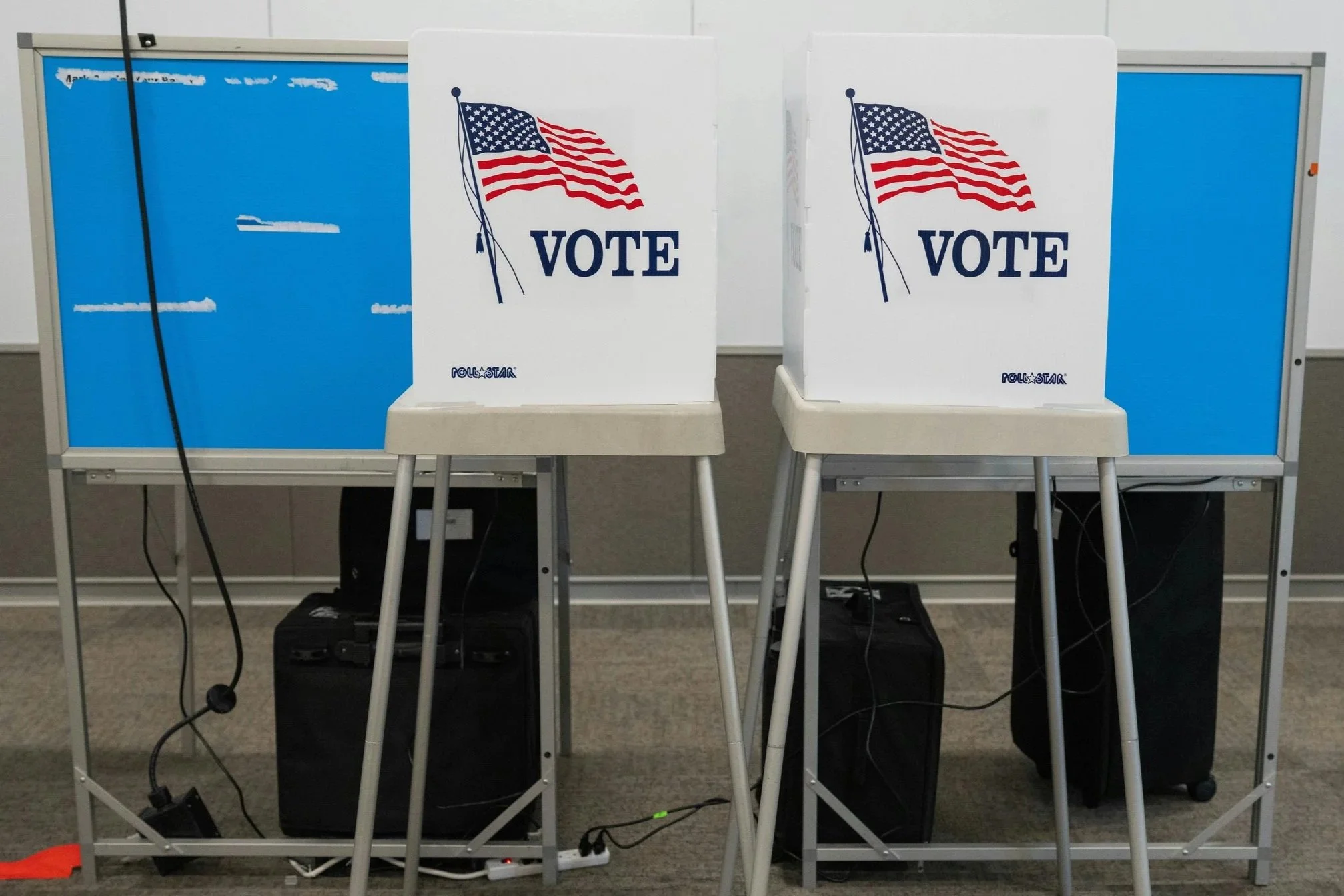
For democracy to reflect the needs of our communities, people need meaningful opportunities to participate.
Yet participating in elections can be especially challenging for first-time voters, young people, and individuals who lack access to reliable election information or practical guidance.
Civic participation remains an important opportunity for communities across the country. Just 52.2% of voting-age citizens participated in the 2022 midterm elections. Nonpartisan voter education and outreach organizations play an important role in helping people understand the process and exercise their rights.
These efforts aren't about telling people who to vote for. They're about making sure more people have the information, confidence, and opportunity to make their own choices.
At Charity Bridge Fund, we're proud to provide a platform where organizations advancing civic participation can share their work and connect with potential supporters.
Students for Voting Justice — Democracy in Action
What if strengthening democracy could also create meaningful career opportunities for young people?
That's the idea behind Democracy in Action: Students Mobilize Black & Youth Voters, a project from Students for Voting Justice.
Through paid internships, the organization is engaging 98 college students, primarily from Historically Black Colleges and Universities (HBCUs), in nonpartisan voter outreach across Georgia and North Carolina.
These students are using social media, postcards, and phone banking to connect with Black and young voters, helping expand access to election information and encourage civic participation.
Participants are also gaining practical experience in community organizing, communication, leadership, and professional development.
By investing in this project, supporters can help strengthen nonpartisan voter engagement while giving emerging leaders the experience and resources they need to make a difference.
New Voters — Empowering the Next Generation of Civic Leaders
The future of civic engagement depends on young people having opportunities to participate, learn, and lead.
That's the mission behind the New Voters 250 Fellowship, a national initiative from New Voters.
In recognition of America's 250th anniversary, the year-long fellowship is bringing together 125 high school sophomores and juniors to lead nonpartisan civic engagement and community service initiatives.
Together, fellows are working to lead 250 voter registration drives and provide more than 9,000 hours of community service.
Participants also attend monthly educational webinars featuring leaders in service-oriented careers and take part in an in-person summit focused on learning, collaboration, and skill-building.
By encouraging high school students to take active roles in their communities, New Voters is helping build a generation that understands the importance of participation and public service.
How You Can Advocate for Nonprofits This Election Season
There are meaningful steps everyone can take to become a more informed and engaged community member.
1. Make a plan to vote.
Confirm your voter registration, learn about voting options in your state, and identify important deadlines before Election Day on November 3rd.
2. Learn about the issues affecting causes you care about.
Whether you're passionate about hunger relief, education, healthcare, environmental protection, or another cause, take time to understand the public decisions that influence those areas.
3. Research candidates and ballot measures.
Look beyond campaign messaging to learn about candidates' positions, public records, and proposed policies. Consider how those decisions could affect nonprofits and community needs.
4. Support organizations strengthening civic engagement.
Nonprofits like Students for Voting Justice and New Voters are helping people participate in the democratic process while developing the next generation of community leaders. Supporting their work is another way to invest in civic participation.
For official registration information, polling locations, and state-specific voting requirements, visit Vote.gov.
The Future of Our Communities Is Worth Participating In
Voting is not the only way to advocate for nonprofits, but it is an important part of helping shape the communities those organizations serve.
This election season, we encourage everyone to learn about the issues, understand their voting options, and make their voice heard.
And beyond Election Day, we encourage continued support for the organizations working to make civic participation more accessible and meaningful.
At Charity Bridge Fund, we're committed to connecting nonprofits with the people who believe in their missions. Whether you're supporting an organization through a donation, volunteering your time, or participating in civic life, your involvement matters.
Strong nonprofits help build strong communities. An engaged public helps shape their future.
Frequently Asked Questions
Why do elections matter for nonprofit organizations?
Elections determine who makes decisions about government budgets, public programs, grants, and regulations that can affect nonprofit operations. These decisions can influence how organizations receive funding, deliver services, and respond to changing community needs.
How do government policies affect nonprofits?
Government policies can affect nonprofits through funding allocations, grant requirements, tax regulations, and changes to public assistance programs. For example, decisions involving Medicaid, SNAP, housing assistance, and education funding can influence both the resources available to nonprofits and the number of people seeking their services.
What is the connection between voting and nonprofit funding?
Elected officials at the federal, state, and local levels make decisions about government spending, grant programs, and public investments. Some nonprofits receive government funding directly, while others serve communities affected by public programs. Understanding these connections helps voters evaluate how policy decisions may affect charitable organizations.
Can nonprofit organizations participate in voter education?
Yes. Nonprofits can conduct nonpartisan voter education, share official election information, support voter registration, and encourage civic participation. However, organizations classified as 501(c)(3) charities are prohibited from supporting or opposing candidates for public office.
What is nonpartisan voter engagement?
Nonpartisan voter engagement involves helping eligible individuals understand and participate in elections without promoting or opposing a particular candidate or political party. Activities may include voter registration assistance, civic education, information about voting procedures, and outreach that encourages informed participation.
Why is youth civic engagement important?
Youth civic engagement helps young people develop an understanding of government, community issues, and democratic processes. Educational programs, internships, leadership opportunities, and community service initiatives can equip students with practical skills and encourage continued participation in civic life.
How are nonprofits helping young people participate in elections?
Organizations such as Students for Voting Justice and New Voters provide opportunities for young people to engage in nonpartisan voter outreach, civic education, leadership development, and community service. These programs help students build communication and organizing skills while learning about democratic participation.
What challenges can make voting more difficult?
Voters may encounter challenges such as limited access to reliable election information, transportation difficulties, uncertainty about registration requirements, language barriers, accessibility needs, or unfamiliarity with voting procedures. Nonpartisan civic organizations can help individuals understand available resources and navigate election requirements.
How can voters learn about issues affecting nonprofits?
Voters can research government budgets, public programs, candidate platforms, legislative records, and ballot measures. They can also review information from trusted nonprofit organizations and official government sources to better understand how policy decisions may affect community services.
How can individuals support nonpartisan civic engagement?
Individuals can support civic participation by volunteering with nonpartisan voter education organizations, sharing accurate election information, supporting youth leadership programs, and helping eligible voters find official information about registration, deadlines, and voting options. Official state-specific election resources are available through Vote.gov.
Why does Charity Bridge Fund highlight organizations working on civic participation?
Charity Bridge Fund highlights nonprofits addressing a wide range of community needs, including civic education and voter engagement. By featuring organizations such as Students for Voting Justice and New Voters, Charity Bridge Fund helps increase awareness of nonpartisan initiatives that provide election information, develop young leaders, and create opportunities for community participation.