Nonprofit Headlines: September 2026
Key Takeaways
Federal funding uncertainty remains a major challenge for nonprofits. An estimated $177 billion in federal grants has been cut or frozen since January 2025, affecting organizations and communities across all 50 states and Washington, D.C.
Changes to federal grantmaking have been delayed, not abandoned. Congress postponed proposed changes to OMB's Uniform Guidance until at least December 11, giving nonprofits additional time to prepare and advocate.
Food banks are facing pressure from multiple directions. Demand for charitable food assistance remains high while organizations contend with reduced federal resources and the rising costs of transportation, staffing, storage, and other essential infrastructure.
Foundations are adjusting their funding strategies, yet research shows significant gaps remain between the support nonprofits need and what private funders can provide.
Reductions in government foreign assistance are putting greater pressure on nonprofits, foundations, and private-sector partners while raising difficult questions about how limited philanthropic dollars can have the greatest impact.
As Funding Pressures Grow, Nonprofits and Their Supporters Are Finding New Ways Forward
Last month, new research put a number on the scale of federal funding disruptions affecting organizations across the country. Food banks reported growing demand as families struggled with food costs and changes to public assistance. Foundations continued adjusting their strategies in response to nonprofit needs, while the international humanitarian community confronted a dramatically different aid landscape.
Here are some of the stories we've been watching.

An Estimated $177 Billion in Federal Grants Has Been Cut or Frozen
A new analysis released in September offered one of the clearest pictures yet of the scale of federal funding disruptions affecting nonprofits and communities.
Researchers with the States United Democracy Center and Grant Witness estimate that the federal government has cut or frozen as much as $177 billion in grants since January 2025. The analysis identified affected funding in all 50 states and Washington, D.C., with some of the largest impacts involving health, nutrition, environmental programs, and disaster relief.
However, for nonprofits, the challenge is increasingly not simply replacing one lost grant. It is operating in a funding environment where organizations may need to plan for greater uncertainty in general.
Congress Delays Major Changes to Federal Grantmaking
Nonprofits received an important reprieve in September when Congress delayed proposed changes to the rules governing federal grants.
A continuing resolution passed by Congress postponed the finalization and implementation of the Office of Management and Budget's proposed changes to the Uniform Guidance until at least December 11, rather than the previously scheduled October 1.
For nonprofits, the delay provides valuable additional time to understand the proposed changes, communicate with policymakers, and prepare for what could still become a significant shift in the federal funding landscape. It also demonstrates the impact of nonprofit advocacy: organizations across the sector spent months submitting comments, contacting lawmakers, and raising concerns about how the proposed rules could affect their ability to serve their communities.
The issue, however, is not resolved. The delay extends only through December 11 and could be shaped by the upcoming mid-term elections, making the future of federal grantmaking an important story to watch the next few months.
Food Banks Face Growing Demand as Federal Support Declines
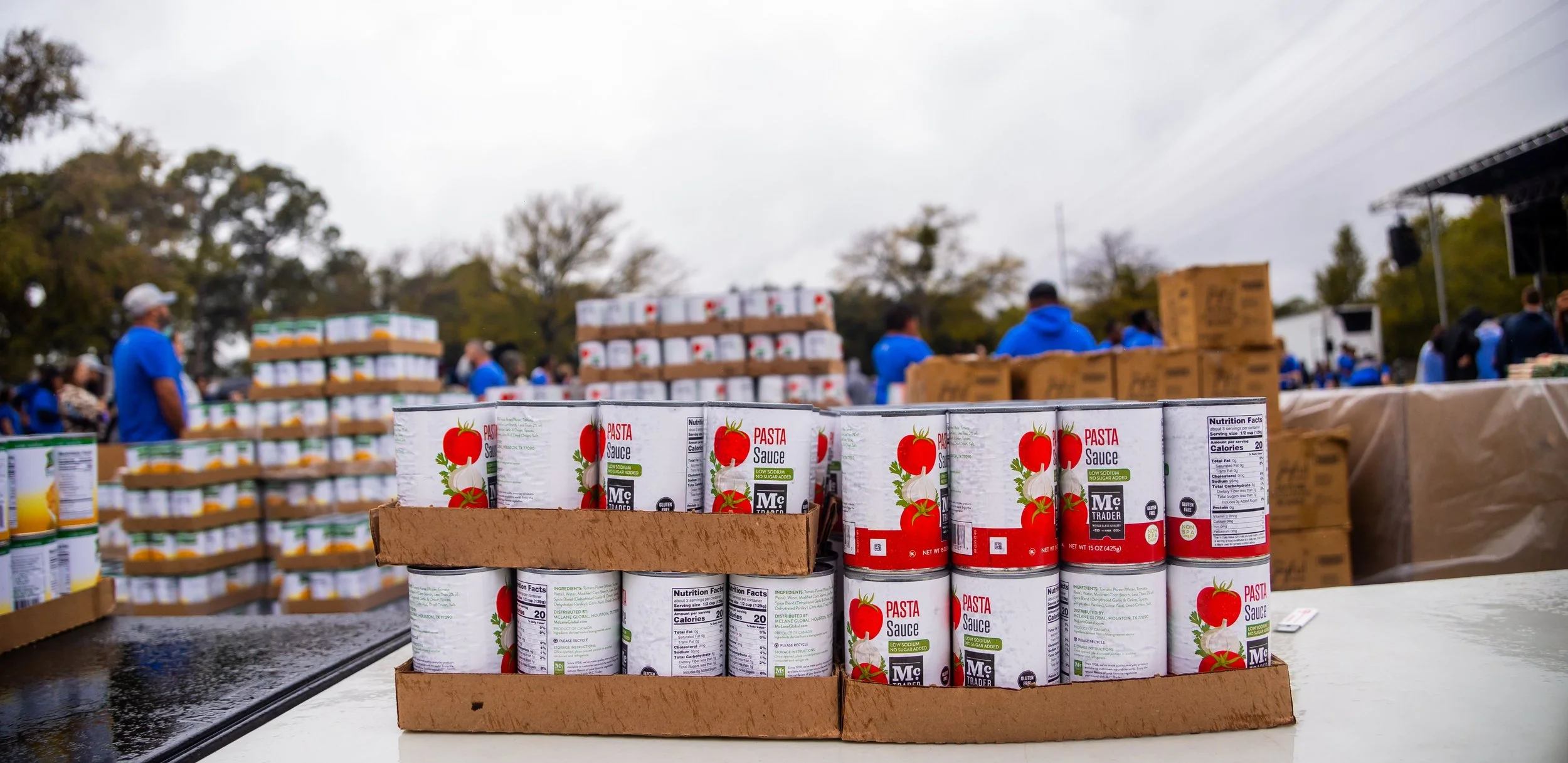
In Texas, food banks and community pantries reported increasing demand while simultaneously confronting reduced federal resources and declining supplies. The Texas Tribune reported that referrals to food banks and pantries increased nearly 37% between February and June.
New national research tells a similar story. Feeding America's 2026 Elevating Voices: Insights Report surveyed more than 1,200 people who had recently experienced food insecurity or received charitable food assistance. Six in ten respondents said they did not feel financially stable, underscoring why Feeding America expects demand for charitable food assistance to remain elevated.
These pressures also demonstrate why funding the infrastructure behind food assistance matters. Food banks don't just need food. They need warehouses, refrigeration, transportation, fuel (the price of which has skyrocketed), employees, volunteers, technology, and other resources necessary to get that food into communities.
Foundations Are Responding to Nonprofit Needs But Significant Gaps Remain
New research released last month suggests foundations are changing their strategies but also highlights the limits of philanthropy's ability to compensate for government funding losses.
The Center for Effective Philanthropy (CEP) found that 93% of foundation leaders surveyed have made at least one strategic change since January 2025 in response to the changing environment. Yet just 12% described their response as very effective. CEP also found notable gaps between the support nonprofits say they need and what foundations currently provide.
Donors and foundations have an opportunity to think differently about how they support nonprofits, including flexible funding, infrastructure investments, capacity building, and resources that allow organizations to adapt quickly when circumstances change.
The Global Humanitarian System Searches for a New Path Forward
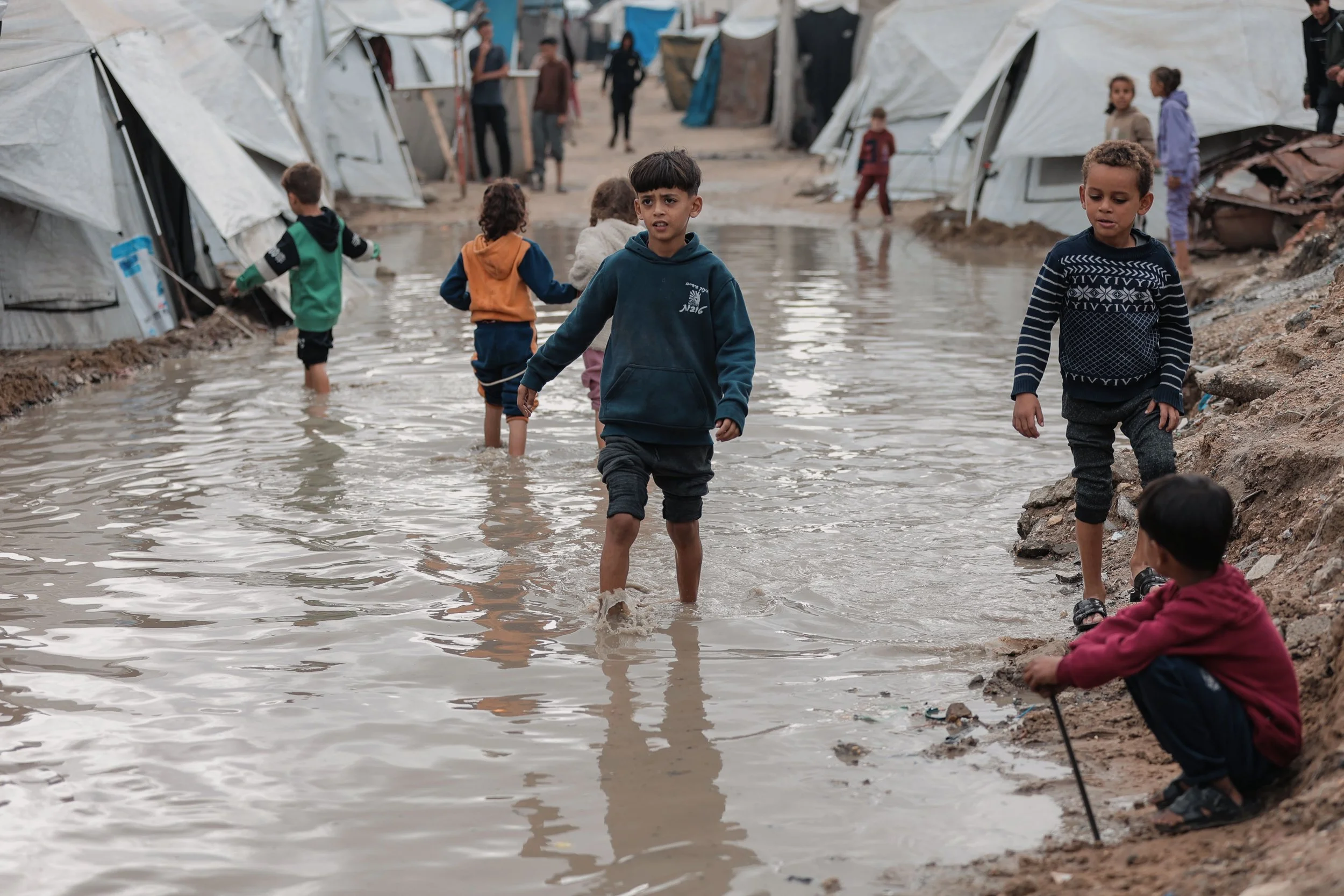
During the United Nations General Assembly, nonprofit organizations, foundations, corporations, and humanitarian leaders gathered in New York to confront a rapidly changing international aid landscape. Reductions in government foreign assistance have weakened efforts addressing disease, hunger, malnutrition, and poverty, increasing pressure on philanthropy and private-sector partners to step forward.
The meetings highlighted a growing divide between large humanitarian organizations with substantial resources and smaller organizations struggling to adapt to declining public aid.
For philanthropy, the question is increasingly not whether it will have a role in this new international aid landscape, but where private dollars can make the greatest difference without assuming they can replace the scale of government assistance.
Looking Ahead
As we move into October, we'll continue watching developments around federal grantmaking, the effects of funding reductions on community organizations, growing demand for food and other basic needs, changes in the international humanitarian system, and how donors and foundations respond as the critical year-end giving season approaches.
Frequently Asked Questions
How much federal grant funding has been cut or frozen?
An analysis from the States United Democracy Center and Grant Witness estimates that as much as $177 billion in federal grants has been cut or frozen since January 2025. The affected funding spans all 50 states and Washington, D.C., including grants related to health, nutrition, environmental programs, disaster relief, and other community needs.
What is happening with the proposed changes to federal grantmaking?
Congress has delayed the finalization and implementation of proposed changes to the Office of Management and Budget's Uniform Guidance until at least December 11, 2026. The delay gives nonprofits more time to understand the proposal and prepare, but it does not resolve the issue. Federal grant policy remains an important development for nonprofits to watch.
Why are food banks experiencing increased pressure?
Food banks are confronting a combination of high community demand, reductions in federal support, and significant operating expenses. Providing food assistance requires much more than purchasing or receiving food: organizations also need warehouses, refrigeration, transportation, fuel, staff, volunteers, and technology to get resources to the people who need them.
How are foundations responding to the changing funding environment?
Research from the Center for Effective Philanthropy found that 93% of surveyed foundation leaders had made at least one strategic change since January 2025. However, significant differences remain between the types of support nonprofits say they need and what foundations are currently providing, creating opportunities for funders to listen closely to nonprofit partners and reconsider how resources are distributed.
How are reductions in U.S. foreign assistance affecting nonprofits?
Reduced government foreign assistance has affected organizations working on hunger, global health, poverty, malnutrition, and other humanitarian challenges. As public funding declines, nonprofits and their partners are being forced to reconsider programs, funding models, and priorities while philanthropy faces increasing pressure to help address urgent gaps.
What can donors do to help nonprofits navigate funding uncertainty?
Donors can support nonprofits through unrestricted and flexible gifts, recurring donations, infrastructure funding, and contributions toward urgent funding gaps. Supporting the operational resources behind nonprofit programs can also help organizations remain resilient and continue delivering essential services as circumstances change.
Additional Resources
Independent Sector: OMB’s Harmful Changes to the Uniform Guidance Delayed in Congressional Spending Bill
Nonprofit PRO: Stopgap Spending Bill Pauses Federal Grant Rule Changes
Texas Tribune: 1 in 5 Texans experience food insecurity as food banks struggle to keep up with demand
Feeding America: New survey of neighbors facing hunger shows why sustained demand for food assistance requires a stronger response
The Center for Effective Philanthropy: New Study Finds Philanthropy Struggling to Fill Gaps Left by Trump Administration’s Attacks on Nonprofits
Associated Press: New humanitarian players hit UN sidelines in search of galvanizing force to counter aid cuts
Yahoo!: “They don’t understand the scale of the hunger!”- An unfolding crisis at the nation’s food banks
PBS: 3 things to know about rising diesel prices and how they affect you