
Preserving Public Media is Not a Luxury: It is an Essential Investment in Democracy & Civic Life
Key Takeaways
Public media is essential infrastructure. Public radio and television provide trusted local news, emergency alerts, educational programming, and civic information that millions of Americans rely on every day.
Federal funding cuts are reshaping public broadcasting. The loss of funding for the Corporation for Public Broadcasting (CPB) is forcing many stations to reduce services, lay off staff, or consider closing altogether.
Rural communities face the greatest risk. Nearly half of CPB-supported stations serve rural areas, where many rely heavily on federal funding and may have limited alternative revenue sources.
The impact extends beyond local stations. Funding reductions affecting CPB also place financial pressure on NPR and PBS, creating ripple effects throughout the entire public media system.
Communities could lose more than news. Public media supports disaster communications, children's education, cultural programming, and local civic engagement—all of which are threatened when stations lose funding.
Supporting public media strengthens democracy. Accessible, noncommercial journalism helps foster informed communities, civic participation, and equal access to trusted information.
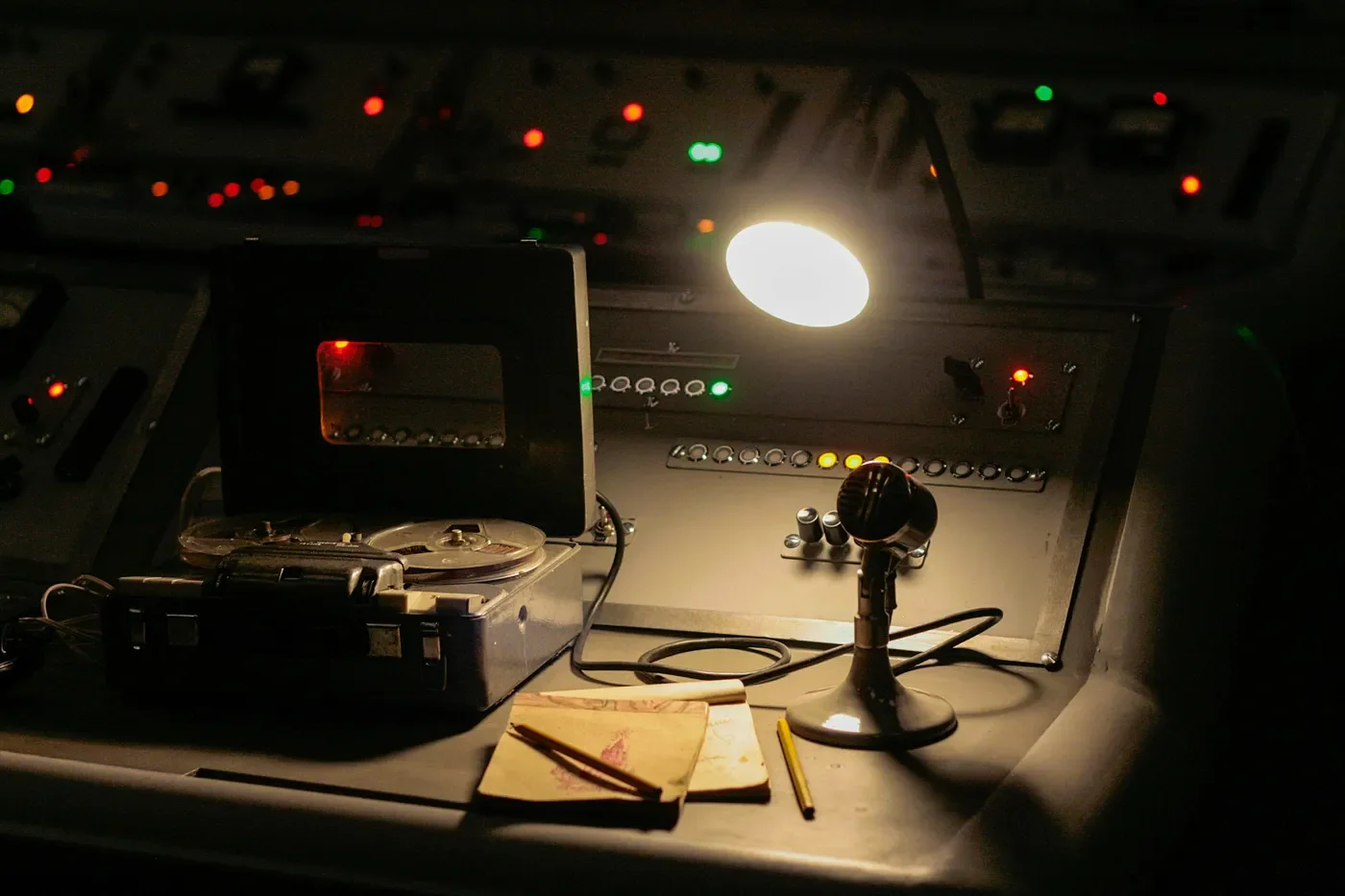
Public media — through networks such as National Public Radio (NPR), Public Broadcasting Service (PBS), and the local radio and television stations affiliated with the Corporation for Public Broadcasting (CPB) — has long been a foundational platform for news, education, and community connection. The Public Broadcasting Act of 1967 established CPB — the entity through which local public media stations across the nation receive federal grants — to ensure that noncommercial broadcasting would provide universal access free from purely commercial imperatives, focusing on news, children’s educational programming, and crucial emergency alerts.
The backbone of public media also lies in local stations that anchor civic discourse and cultural identity in towns and cities across the country. Because many local stations are community-based nonprofits themselves, they build trust in places where commercial trust in media has eroded. Public media therefore forms a crucial part of America’s civic infrastructure. “For over half a century, the Corporation for Public Broadcasting has partnered with PBS and our member stations to serve communities large and small in every corner of the country,” PBS spokesperson Jason Phelps said in a statement to Variety.

The Risks to Society of Losing Public Media
As of May 1, 2025, the federal government removed approximately $1.1 billion that had been allocated to Corporation for Public Broadcasting, prompting CPB to announce it would close its operations.
This sudden budget shock is forcing public stations to drastically scale back operations, leading to layoffs, reduced services, or in some cases a dropping national programming altogether. Many of these stations face existential risks. The CPB said about 45 percent of public radio and TV stations it provided grants to in 2023 are in rural areas.Nearly half of those rural stations relied on CPB funding for 25 percent or more of their revenue and many depended for more than 50 percent of their annual budget.“That would mean an almost immediate disappearance of almost half our operating budget,” David Gordon, executive director of KEET in Eureka, California, said of the rescission cuts.
“The ripple effects of this closure will be felt across every public media organization and, more importantly, in every community across the country that relies on public broadcasting.”
Additional Funding Losses from NPR and PBS
The financial impact extends beyond the loss of federal grants to the Corporation for Public Broadcasting.Local public radio and television stations are also losing secondary support and programming from NPR and PBS, which depend on revenue from those same stations to sustain national reporting, news bureaus, and content production.
As CPB’s federal appropriations disappear, NPR and PBS are facing their own loss of federal funding, budget contractions and program reductions — forcing them to raise membership dues for local affiliates and reduce or suspend syndicated content that these local affiliates rely on. The result is a cascade effect: as NPR and PBS scale back, local stations receive fewer national programs, less technical assistance, and reduced grant opportunities for local journalism, innovation, and education projects.
This creates a feedback loop of loss — local stations lose both their direct CPB funding and the shared infrastructure, training, and programming that national public media organizations have historically provided. For many smaller and rural stations, this double hit threatens not only the quality of their service but their continued ability to broadcast at all.
Ed Ulman, CEO of Alaska Public Media, predicts over a third of public media stations in Alaska alone will be forced to shut down. Alaska outlets describe this impact hitting quickly, in the coming months.
Threat to Local News, Emergency Alerts & Educational Programs
“The ripple effects of this closure will be felt across every public media organization and, more importantly, in every community across the country that relies on public broadcasting,” NPR President Katherine Maher said in a statement reported by Forbes.
When public media stations lose funding, the ripple effects include:
Emergency communication/Safety:
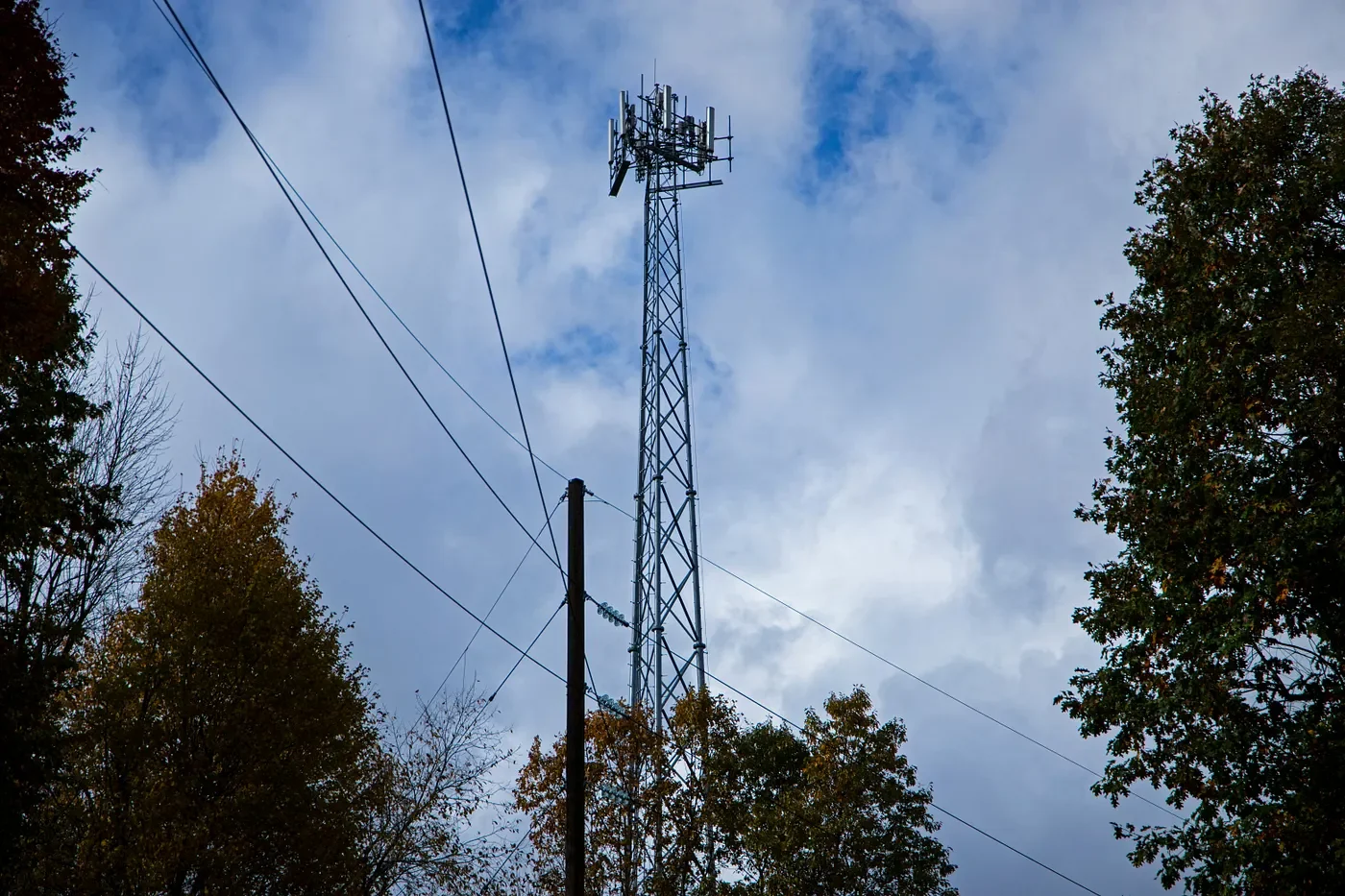
During disasters — wildfires, floods, extreme weather — broadcast stations provide crucial alerts and information, including local disaster response, and safety warnings. It is a lifeline during natural disasters, when cell towers and internet are down, making this funding withdrawal a public-safety risk. Rural residents may lose vital early warning systems. After Hurricane Helene devastated Western North Carolina last year, leaving the region without electricity for days, Blue Ridge Public Radio in Asheville, North Carolina, provided vital information on road closures and access to drinking water for people using battery-powered.
Erosion of educational content:
Children’s programming, adult learning series, and enrichment content may be cut, impacting learners in homes, classrooms, and underserved areas. Because rural learners rely more on public media for free educational content, cuts exacerbate that gap.
Increased news deserts:
Many rural counties already lack daily news coverage; losing public radio or TV makes this worse, with downstream effects on civic awareness and local governance.
PBS CEO Paula Kerger said in an interview that she expects “a couple dozen stations” to have “significant” funding problems “in the very near term” without federal funding. And she believes more could be in long-term jeopardy even if they survive the immediate aftermath of the cuts.
Public Media & Democracy
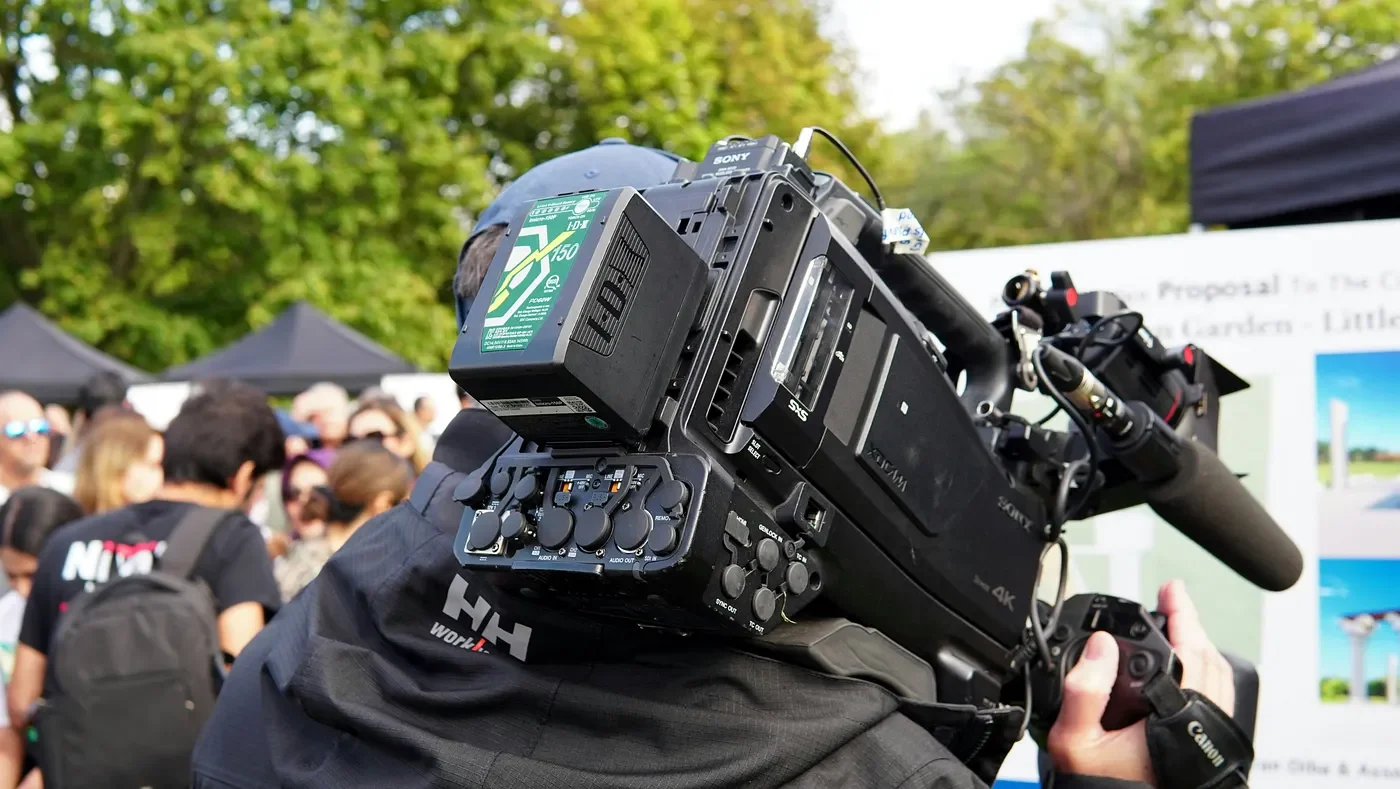
Trusted public media is fundamental to informed citizenship. When public media is weakened, the space for civic dialogue shrinks, media trust declines, and underserved communities may lose access to noncommercial news. The 2025 Rescissions Act has been framed by media scholars as a blow to democratic infrastructure, particularly at the local level. Loss of these civic platforms could amplify polarization, reduce voter information, and limit access to local content.
Given the disproportionate reliance on federal/CPB support and the outsized role rural stations play in underserved regions, sustaining these stations is an investment in media equity and civic infrastructure. And while larger stations in well-populated metro areas have broader, wealthier donor bases to draw on for additional support short term, many rural stations can only expect so much help from their community. Some of the stations in rural areas are forced to navigate the added complication of asking for donations from Republican voters as the government talks against the public media ecosystem.
Public media is a cornerstone of education, culture, civic communication, local journalism, and public safety. The sudden defunding of that system — especially through the withdrawal of long-standing federal resources to CPB, NPR, PBS and their local affiliates — raises profound risks: fewer trusted news sources, weakened community bonds, underserved rural populations, and diminished educational content.
Public media is not just entertainment — it is essential infrastructure for an informed society.
Frequently Asked Questions
Why is public media important?
Public media provides free access to trusted journalism, educational programming, emergency alerts, and local cultural content. Unlike commercial broadcasters, public media focuses on serving communities rather than maximizing advertising revenue, making it especially valuable in underserved and rural areas.
What is the Corporation for Public Broadcasting (CPB)?
The Corporation for Public Broadcasting is a nonprofit organization created by Congress through the Public Broadcasting Act of 1967. It distributes federal funding to eligible public television and radio stations and helps support national organizations such as PBS and NPR.
How do federal funding cuts affect local public media stations?
Many public media stations rely on CPB grants to fund operations. When federal funding is reduced, stations may be forced to eliminate staff, reduce local programming, cancel educational initiatives, limit news coverage, or, in some cases, cease broadcasting altogether.
Why are rural communities more affected than urban areas?
Rural stations often receive a much larger percentage of their operating budgets from CPB grants than stations in larger metropolitan areas. They also serve communities with fewer local media alternatives and smaller donor bases, making it more difficult to replace lost funding.
Does this affect NPR and PBS?
Yes. While NPR and PBS receive revenue from multiple sources, they also depend on relationships with local member stations. When local stations lose funding, it reduces membership revenue, programming investments, and shared resources across the entire public media network.
How does public media support emergency preparedness?
During natural disasters and public emergencies, public radio and television stations provide real-time updates, evacuation information, weather alerts, and community resources. Radio broadcasts can remain available even when internet or cellular service is disrupted, making them a critical public safety tool.
What role does public media play in education?
Public media offers educational programming for children, classroom resources for educators, lifelong learning opportunities, and locally produced educational content. These services are particularly important for families and schools with limited access to other educational resources.
How could these funding reductions impact democracy?
Local public media helps residents stay informed about local government, elections, public policy, and community issues. Reductions in local journalism can contribute to growing news deserts, lower civic engagement, and fewer trusted sources of information for voters.
Can public media survive without federal funding?
Some larger stations may be able to offset a portion of lost funding through donations, underwriting, and foundation support. However, many smaller and rural stations have limited fundraising capacity, making federal funding a critical part of their long-term sustainability.
How can individuals support public media?
People can help sustain public media by:
Becoming a member of their local public radio or television station.
Making one-time or recurring donations.
Supporting nonprofit organizations working to strengthen local journalism.
Sharing awareness about the importance of public media in their communities.
Advocating for sustainable investments in local civic and educational institutions.
Why does Charity Bridge Fund believe public media matters?
Public media organizations are nonprofit institutions that strengthen communities through education, trusted information, and public service. When these organizations face significant funding challenges, the consequences extend beyond broadcasting—they affect civic participation, emergency preparedness, and equitable access to information. Supporting nonprofit public media helps preserve essential community infrastructure for future generations.
Additional Resources
Reuters: Corporation for Public Broadcasting to close after funding cut, in blow to local media
U.S. Senate Committee on Appropriations: FACT SHEET: Trump’s Rescission Package Would Devastate Local Public Radio, TV Stations Across America
Politico: ‘Catastrophic’: Rural public media stations brace for GOP cuts
Alaska Public Media: With federal funding gone, what's the future of public media in Alaska?
Center for Economic and Policy Research: Public Broadcasting Cuts Put Rural Communities At Risk
U.S. Senate Committee on Commerce, Science, and Transportation: NPR and PBS Are More Than “Tiny Desk” and “Daniel Tiger” They Are Critical to Public Safety
Annenberg School for Communication: Public Media Can Improve Our ‘Flawed’ Democracy
NiemanLab: Public media appeals to audiences for support after Congress cuts off its funding
Knight First Amendment Institute: Reimagining and Reconstructing U.S. Public Media
Protect My Public Media: FY 2026 Funding Outcome for Local Public Media Stations
Semi Public: Arkansas TV Says It Could Face a $6 Million Deficit by 2030. The Reality May Be Worse
Last Week Tonight with John Oliver (HBO): Public Media
NPR: Federal judge finds Trump violated free speech by ordering NPR defunded