West Virginia Nonprofit Association
Who We Are
The West Virginia Nonprofit Association (WVNPA) was established in 2012 to build capacity within West Virginia’s nonprofit sector and to advance the collective voice of nonprofits statewide. We serve a diverse membership of nonprofit organizations, currently over 300 members representing organizations of all sizes and missions across West Virginia and provide year-round capacity-building programming to members and non-members alike.
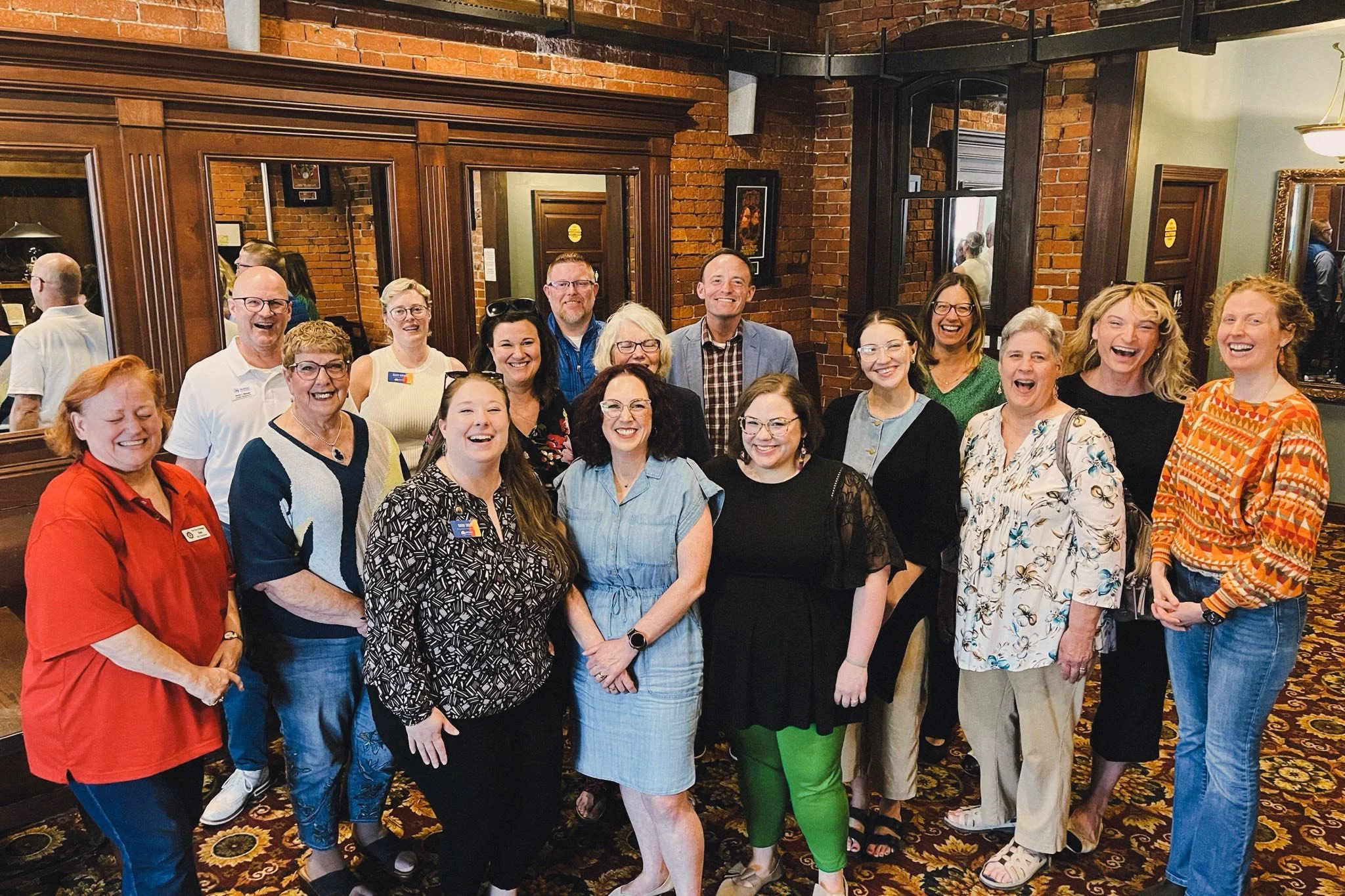
Our services include advocacy and policy engagement, training and professional development (including eLearning and regional convenings), tools and resource libraries, networking and peer learning opportunities, communications and action alerts, organizational assessments, and supports to strengthen operations, governance, and sustainability. Our mission is to strengthen the nonprofit sector by fostering a collective voice and delivering expert, member-focused resources that help nonprofits thrive and better serve their communities.
Impact of Federal Funding Cuts
Federal funding cuts and freezes have had a significant impact on many West Virginia nonprofits, especially those that rely on federal grants and service programs for core operations and community services. Cuts to programs like AmeriCorps resulted in the elimination of service positions across the state, disrupting essential services, such as education support, disaster response, food security, and workforce development and forcing nonprofits to scramble to fill gaps in workforce capacity and program delivery. Delays in federal grant awards and reimbursements also created cash-flow challenges for organizations already operating on thin margins, requiring them to carry expenses without funding, seek bridge financing, or reconsider staffing and service levels. These disruptions have placed strain on nonprofits’ abilities to sustain critical programs for vulnerable communities across West Virginia’s rural and underserved regions.
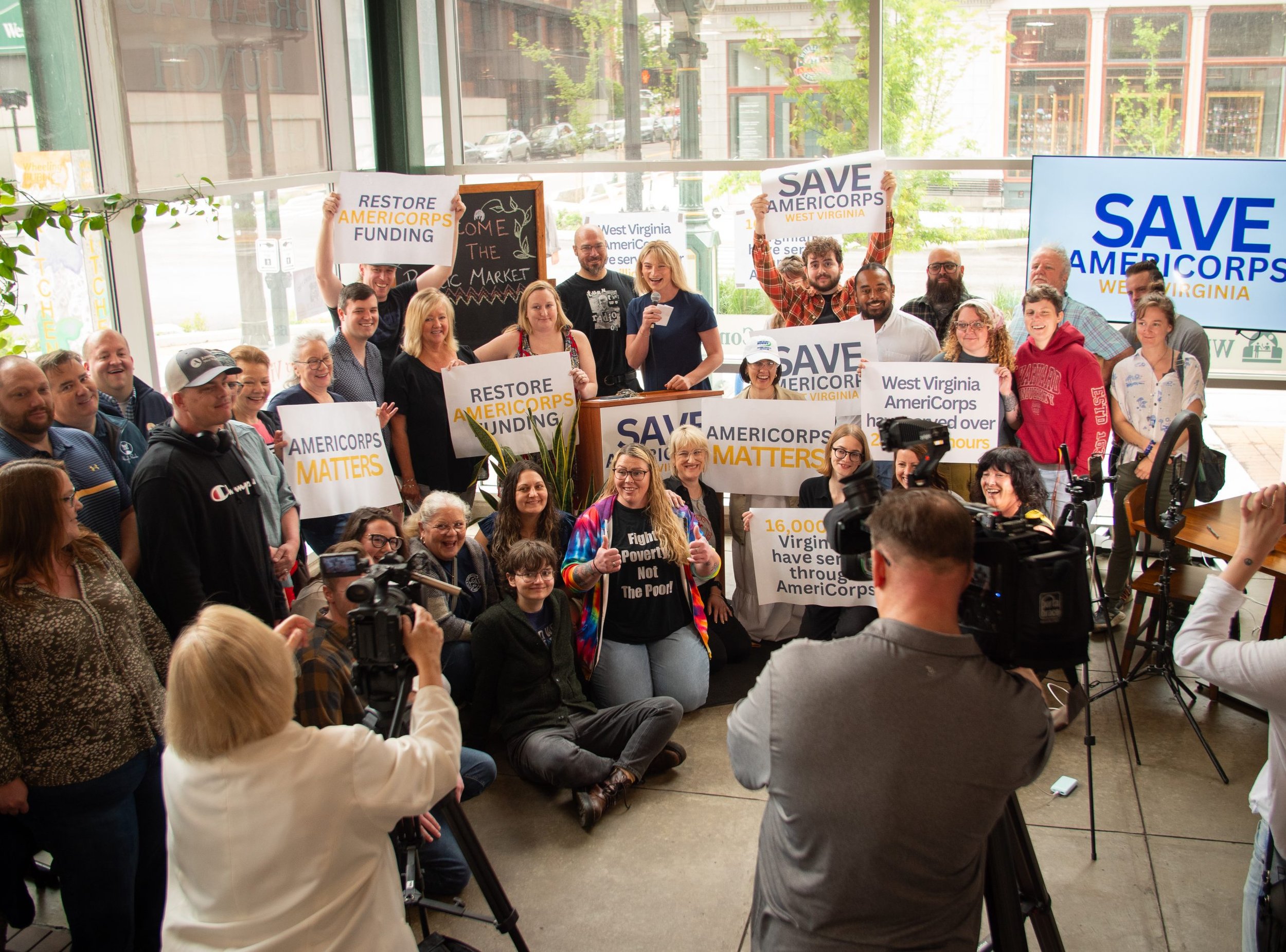
These impacts of short-term funding challenges are profound and multi-layered. Organizations that experienced cuts or delayed reimbursements are now more cautious in planning and budgeting, often reducing capacity or deferring new programs/initiatives. Workforce instability due to the loss of service positions and federal support has hindered nonprofits’ ability to retain staff and meet growing community needs. Beyond individual organizations, these challenges hurt community infrastructure in rural areas where private philanthropic resources are limited and federal support historically played a central role in sustaining services.
The Road Forward
Our current priorities include strengthening funding sustainability for nonprofit organizations through advocacy and capacity supports, expanding access to training and resources that help nonprofits operate effectively and resiliently, amplifying nonprofit voices in public policy conversations at both the state and federal level, and enhancing peer networks and learning opportunities across all regions of the state. We are also focused on addressing shared operational challenges such as board recruitment and engagement, communications capacity, and technology infrastructure and making sure that small, rural, and volunteer-led organizations have access to the tools and supports they need to thrive.
We aim to continue growing our statewide impact by deepening membership engagement and strengthening collaborative partnerships. Our work will continue to focus on advocacy efforts that protect and expand support for nonprofits, enhancing capacity-building offerings through new trainings, cohorts, and strategic resources, and lifting up the stories and lived experiences of nonprofits to influence policy and public understanding. Another key goal is to train and support new executive directors across the sector, with a focus on reducing attrition and strengthening long-term leadership retention.
Learn more by visiting the WVNPA website.