SNAP Benefits and Food Banks in 2026: How Federal Policy Changes Are Reshaping Hunger Relief
Key Takeaways
Millions of Americans are experiencing SNAP benefit changes as new federal rules take effect.
Food banks across the country report rising demand while many face funding constraints.
Nonprofits say emergency food programs cannot replace the scale of SNAP.
Federal reductions to several food purchasing programs have added pressure on local hunger relief organizations.
Communities are responding through philanthropy, healthcare partnerships, and innovative food security programs.
For decades, the Supplemental Nutrition Assistance Program (SNAP) has served as one of the nation's largest defenses against hunger. For millions of families, SNAP helps stretch household budgets while allowing local food banks and pantries to focus on emergency assistance rather than long-term support.
Over the past 18 months, however, that balance has shifted.
A series of federal policy changes have included new eligibility requirements, expanded work requirements, administrative changes, and reductions in federal support for food assistance programs. These changes have coincided with rising grocery costs and rising demand at food banks nationwide. The result has been increased pressure on both families and the nonprofit organizations working to ensure no one goes hungry.
A New Era for SNAP
Throughout 2025 and into this year, federal lawmakers approved significant changes to SNAP eligibility and administration. Many of the provisions contained in HR1 (The "One Big Beautiful Bill Act") are now taking effect across the country, with implementation occurring on different timelines depending on each state's systems and policies.
Recipients are experiencing changes that include expanded work requirements for certain adults, new eligibility verification processes, and revised state administrations of benefits. While supporters argue these reforms strengthen program integrity and encourage workforce participation, many states and community organizations have reported confusion among recipients as the rules change and eligibility is reassessed. And this confusion can have life-changing outcomes.
As states have implemented the new requirements, many households have lost benefits or experienced interruptions while navigating updated verification processes.
Reports show that millions of people are projected to lose SNAP assistance under the new federal law, with particularly sharp declines among children and working families in several states. Recent estimates highlight that SNAP participation decreased by over 11 percent between July 2025 and April 2026.
Food Banks Are Filling a Growing Gap
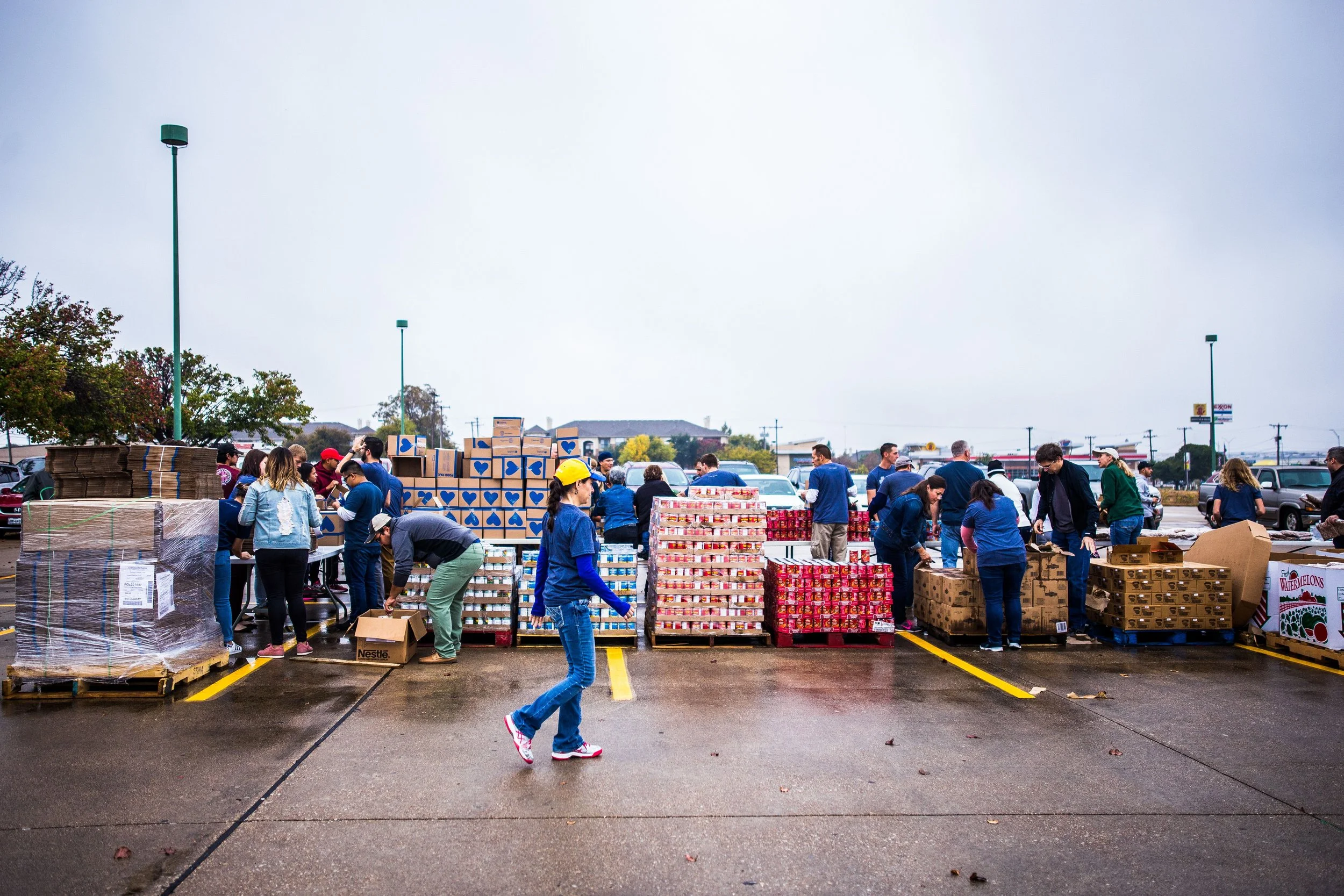
Food banks provide emergency food assistance, but nonprofit leaders consistently say charitable food programs cannot replace the scale or funding of SNAP. However, when families lose or see reductions in SNAP benefits, many turn to food pantries for help.
Food banks across the country report that demand has continued to climb even as many charitable organizations face their own funding constraints.
In Ohio, for example, food banks’ demand remains near historic highs while donations have become more difficult to secure.
North Texas food banks have similarly reported increased demand as SNAP reductions begin affecting local households.
Communities in North Carolina, Tennessee, Texas, and Virginia are preparing for or already experiencing similar pressures.
Nonprofits consistently emphasize that charitable food programs were never designed to replace SNAP. Instead, food banks were created to provide emergency assistance during temporary hardships. No charitable network has the financial capacity or food supply necessary to permanently replace a nationwide federal nutrition program.
Additional Federal Food Programs Have Also Been Reduced
The challenges facing food banks extend beyond SNAP.
Earlier this year, the federal government ended funding for several food purchasing initiatives that supplied locally grown food to community organizations, schools, and food banks. The cancellation affected programs that connected farmers with nonprofit food providers while increasing access to fresh produce in underserved communities.
Numerous mutual aid organizations and local food distribution networks lost important sources of support as these funding streams ended. These reductions have compounded existing challenges for organizations already experiencing record demand.
Communities Continue to Respond
Despite growing pressures, nonprofit organizations continue to innovate.
Some food banks are expanding partnerships with healthcare providers through "Food as Medicine" initiatives that integrate nutrition support into patient care.
Feeding America's latest national evaluation found that medically tailored food programs improve health outcomes while helping reduce healthcare costs.
Nevada recently expanded one such effort, connecting healthcare providers with food banks to deliver nutritious food through prescription-based programs.
Meanwhile, local organizations continue to mobilize volunteers, donors, foundations, and businesses to meet growing community needs.
What This Means for Nonprofits
The last 18 months have demonstrated how interconnected America's food assistance system truly is.
SNAP, food banks, local pantries, mutual aid organizations, farmers, healthcare providers, and charitable donors all play different roles in helping families access nutritious food.
When one part of that system changes, pressure often shifts elsewhere.
Across the country, nonprofit organizations are working to adapt by expanding partnerships, improving efficiency, raising additional philanthropic support, and developing new approaches to food security. Yet many leaders acknowledge that demand continues to outpace available resources.
Looking Ahead
The future of food assistance will likely continue evolving as states complete implementation of recent federal changes and communities assess their long-term effects.
What remains constant is the role nonprofit organizations play every day.
Food banks and hunger relief organizations continue serving millions of people, often while balancing increased demand with limited resources. Their work is supported not only by volunteers and community partnerships but also by donors that help organizations respond when needs change.
As communities navigate this new landscape, philanthropy remains one of the most flexible tools available for helping nonprofits meet immediate needs while continuing to build long-term solutions to hunger.
Frequently Asked Questions About SNAP Benefits and Food Banks
Why are SNAP benefits changing?
SNAP benefits are changing because of federal legislation enacted in 2025 that introduced new eligibility requirements, expanded work requirements for some recipients, and shifted certain administrative responsibilities to states. As states implement these changes throughout 2026, some households are seeing changes in their eligibility, benefit amounts, or renewal processes. Because implementation timelines vary, the impact can differ from state to state.
Who is losing SNAP benefits?
People losing SNAP benefits include some adults who no longer meet updated work requirements, individuals whose eligibility has changed under new federal rules, and households that have not completed new verification requirements. The exact impact varies by state as new policies take effect.
Why are food banks experiencing higher demand?
Food banks are seeing increased demand because many families are facing higher grocery prices while also experiencing reductions or interruptions in SNAP benefits. As households lose part or all of their food assistance, more people turn to local food pantries and hunger relief organizations to help meet basic nutritional needs. Many food banks report that demand has remained elevated even as charitable donations and food supplies become more difficult to secure.
Can food banks replace SNAP?
No. Food banks and nonprofit hunger relief organizations consistently emphasize that they cannot replace SNAP. SNAP is a nationwide federal nutrition assistance program that serves millions of Americans every month and provides significantly more food assistance than the charitable food sector can supply. Food banks are designed to provide emergency support during times of need, not to serve as a long-term substitute for federal nutrition benefits.
What federal programs besides SNAP have been affected?
In addition to SNAP, several federally funded food purchasing and distribution programs have been reduced or eliminated over the past 18 months. These include initiatives that helped food banks, schools, and community organizations purchase food from local farmers. The loss of these programs has reduced the amount of fresh food available to many hunger relief organizations while also affecting agricultural producers that supplied those programs.
Which states are seeing the greatest impact from SNAP changes?
States across the country are experiencing the effects of SNAP policy changes, although the impact varies based on demographics, state implementation, and local economic conditions.
Are grocery prices contributing to food insecurity?
Yes. Although inflation has moderated from its peak, many grocery prices remain higher than they were several years ago. Families facing increased food costs often have less flexibility in their household budgets, making reductions in nutrition assistance more difficult to absorb. Food banks across the country report that rising food costs continue to be one of the primary reasons more households are seeking assistance.
How are nonprofits responding to these challenges?
Nonprofits are expanding food distributions, strengthening partnerships with healthcare providers, collaborating with local farmers, increasing fundraising efforts, and recruiting additional volunteers to meet rising community needs. Many organizations are also investing in innovative approaches such as Food as Medicine programs, which integrate nutritious food into healthcare for patients with diet-related health conditions. While these efforts are making a meaningful difference, nonprofit leaders continue to stress that charitable organizations work best alongside public nutrition programs rather than as replacements for them.
What is the Food as Medicine approach?
Food as Medicine is an approach that recognizes access to nutritious food as an important part of healthcare. Healthcare providers partner with food banks and community organizations to help patients with chronic health conditions receive healthy foods that support treatment and improve overall health. Recent research from Feeding America found that these programs can improve health outcomes while helping reduce healthcare costs.
How can people support food banks and hunger relief nonprofits?
Individuals can support hunger relief organizations by making financial donations, volunteering, organizing food drives, advocating for local hunger relief efforts, and supporting nonprofit organizations working in their own communities. Monetary donations are often especially valuable because food banks can purchase food in bulk, respond quickly to changing community needs, and invest in programs that address both immediate hunger and long-term food security.
Additional Resources
Mother Jones: EPA Ordered—Again—to Release $2.8 Billion in Climate Justice Funds
Nevada Current: Prescriptions for nutrition: Nevada program connects food banks to health care
Feeding America: Feeding America releases landmark evaluation showing the power of Food as Medicine in improving health across communities
NPR: Across the U.S., changes to SNAP benefits are kicking in
NPR: What to know about the new changes to SNAP benefits
Bon Appetit: When the Government Stops Funding SNAP, Who Steps In to Fill the Gaps?
AXIOS: D.C. nonprofits face breaking point amid job cuts and shutdown
Center on Budget and Policy Priorities: SNAP Tracker: People Are Losing Food Assistance as the Harmful 2025 Republican Reconciliation Law Is Implemented
NBC Dallas Fort-Worth: Food banks feel growing demand amid SNAP benefit cuts
Texas Tribune: 500,000 fewer Texans are on SNAP as participation slips nationally
NPR: As states enact changes to SNAP benefits, recipients face new challenges
Cleveland.com: Ohio’s food banks grappling with high demand that just keeps climbing with economy woes and aid cuts
Center on Budget and Policy Priorities: Sharp Drop in Number of Children Receiving SNAP Food Assistance Under New Federal Law
Oregon Capital Chronicle: Oregonians using SNAP benefits most frequently listed big grocery, retail companies as employer
PBS Newshour: Millions lose SNAP benefits as One Big Beautiful Bill's stricter requirements kick in
Candid: Food banks can’t fill the SNAP gap
WBIR: More than 100K Tennesseans are no longer receiving SNAP benefits
Business Record: New SNAP rules lead to confusion, stigma, food insecurity advocates say
FFXNOW: Fairfax County preps for impact of ‘One Big Beautiful Bill’ on local SNAP, Medicaid recipients
WFDD: As SNAP funding shrinks, a poor North Carolina county faces difficult choices
Center for American Progress: RELEASE: One Year After Trump’s One Big Beautiful Bill Act, Millions Have Lost Health Coverage and Food Assistance