FY26 Federal Budget: Where Congress Is Now and What Happens Next
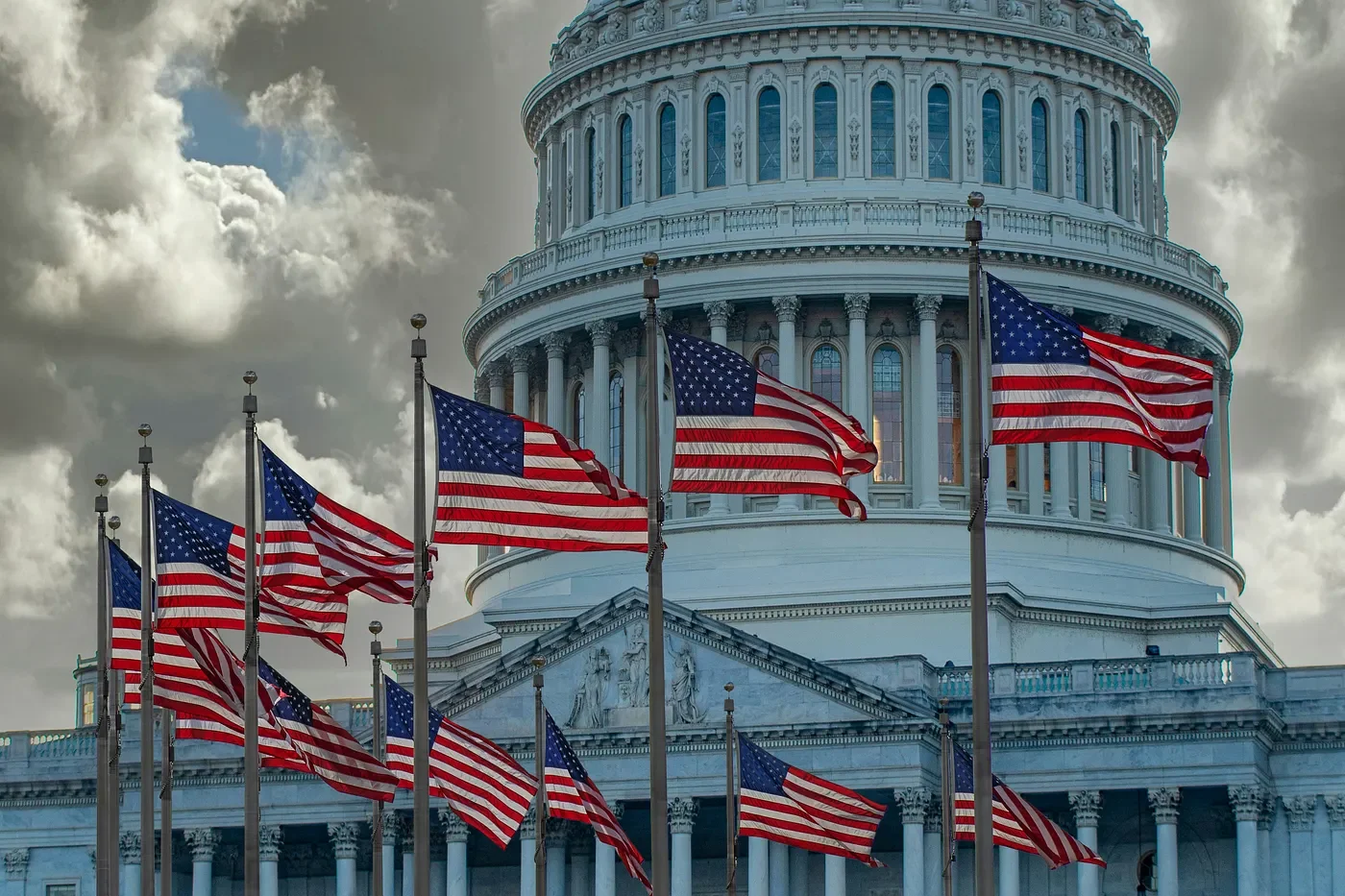
The federal budget isn’t just a spreadsheet in Washington -
it’s the set of decisions that determines whether programs people rely on have money to operate. That includes everything from education and after-school programs to SNAP food assistance, housing support, environmental protection, arts and humanities grants, and international aid.
FY 2026 began on October 1, 2025 and yet the federal government still has not completed their budget. Nonprofits are still waiting to see the outcome of the current budget process. And, in the wake of federal funding cuts and the recent government shutdown, the continued delays in approving the budget are compounding the challenges that nonprofits are already facing.
If you’ve heard “Congress hasn’t passed the budget,” here’s what that really means.
What’s happening now
Congress should finish federal funding before the new fiscal year begins, on October 1.
Here’s how that process works:
The President releases a budget proposal each spring. This is a starting point, not a law.
Congress sets an overall spending plan through a budget resolution (a blueprint that doesn’t itself fund agencies).
Congress passes 12 appropriations bills that fund the government for the year.
The President signs those bills and agencies can operate with stable funding.
However, this process rarely runs smoothly. Congress has relied on temporary funding patches and big bundled bills instead of finishing the full process on schedule.
Instead of starting FY26 with a full-year plan, Congress has been moving through a familiar modern pattern involving temporary funding and high-stakes deadlines.
For instance, because the 12 appropriations bills weren’t enacted by September 30, the government shut down in October and November 2025. This was the longest shutdown in U.S. history (43 days) and increased the needs of nonprofits in all social sectors.
When Congress can’t finish funding bills on time, it often passes a Continuing Resolution (CR),which isa stopgap that keeps the government open temporarily, usually by extending last year’s funding levels.
CRs prevent immediate shutdowns, but they also create real uncertainty, especially for nonprofits and local programs that depend on predictable grant timelines and stable federal partnerships.
To resolve the government shutdown, Congress eventually passed a CR and signed it on November 12, 2025, which restored funding temporarily and funded a few bills through the fiscal year.
The current stopgap CR runs until January 30, 2026, meaning Congress ideally needs to finish bundles or individual bills by then or pass another CR to avoid lapses.
Why this matters to the social sector
When the budget process breaks down, it doesn’t always show up in the news. More often, it shows up as:
grants that are delayed or shortened
agencies that pause new funding opportunities
programs that can’t expand even when community needs rise
nonprofits forced to plan month-to-month instead of year-to-year
And it’s important to note that Congress can also change the rules of programs — who qualifies, what services are allowed, and what burdens fall on states and community providers.
Congress still needs to pass the remaining appropriations bills that weren’t finalized through the November 12, 2025 CR. Many of those bills touch many significant social services. These include, but aren’t limited to, bills covering things like:
Commerce, Justice, and Science
Energy & Water
Interior & Environment
Labor, Health and Human Services, and Education
Transportation, HUD
Financial Services and related agencies
Bills covering funding agencies like HUD have not yet been approved.
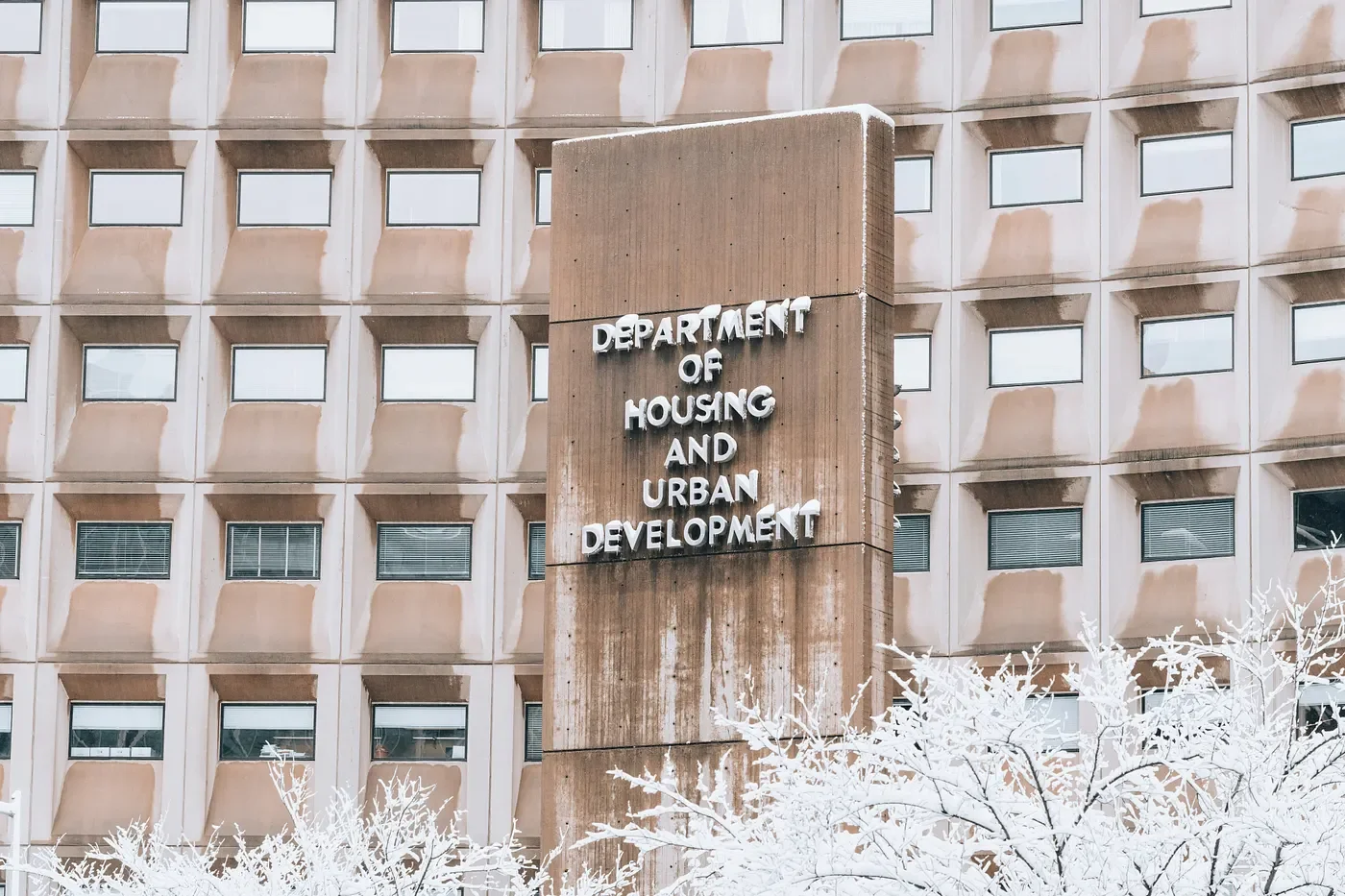
Bills covering funding agencies like HUD have not yet been approved.
The programs at risk
Here’s where budget delays and proposed cuts tend to hit hardest, especially for organizations delivering direct services or filling gaps for public systems:
1) Education
Federal education dollars don’t just go to school districts. They often flow into partnerships with nonprofits delivering tutoring, youth mentoring, after-school care, mental health support, and family engagement.
When education-related appropriations are delayed or reduced, communities feel it through:
fewer support staff and program slots
reduced services for students with the greatest needs
fewer community-based partnerships schools rely on
2) SNAP
SNAP is one of the most important anti-hunger programs in the country, and it affects nonprofit food systems even when nonprofits don’t receive SNAP dollars directly.
As we’ve seen in recent months, when SNAP access is disrupted, restricted, or harder to administer, the ripple effects often show up as:
increased food pantry demand
more strain on local emergency food networks
higher household instability (which affects health, housing, and education outcomes)
3) Housing
Housing funding is one of the clearest examples of how federal budgeting decisions become visible on the ground.
When housing programs face cuts, delays, or flat funding, nonprofits often see:
longer shelter stays because permanent housing options shrink
reduced homelessness prevention capacity
growing demand for legal aid, case management, and wraparound supports
4) Environment
Environmental funding isn’t just about national parks or regulations. It’s also about:
clean air and clean water support
local resilience projects
community-based environmental justice work
weatherization and energy burden relief
When environmental funding is reduced or slowed, the impact often lands hardest in communities already facing disproportionate exposure to pollution and climate risk.
5) Arts & humanities
Federal arts and humanities funding is a small share of the overall budget, but it can be make-or-break for local organizations.
Arts nonprofits rely on these funds to:
provide youth programming and after-school enrichment
preserve local history and cultural heritage
sustain community spaces that reduce isolation and build belonging
6) International aid
USAID and related federal aid support humanitarian response and health programs globally. International aid organizations also provide education initiatives, food security, and disaster recovery efforts.
When international assistance is reduced, nonprofits working globally often face:
program interruptions
staff reductions and loss of local partnerships
delayed or cancelled services during crises
The “cuts that are coming”
Even when Congress avoids a shutdown, budget negotiations can still result in “slow-motion cuts” that shrink services without formally ending programs.
The most common ways that this happens are through:
1) Flat funding that functions like a cut
If funding stays the same while costs rise, programs effectively shrink.
2) Eliminations or reductions in discretionary programs
Many nonprofit-facing programs are discretionary, meaning Congress must fund them every year.
3) Policy changes that reduce access
Sometimes the budget fight becomes a rules fight: eligibility, reporting requirements, administrative barriers.
4) Delays that cause service disruption
Even when money eventually arrives, timing matters, especially for staffing, leases, and community commitments.
When education-related appropriations are delayed or reduced, communities feel the effects.
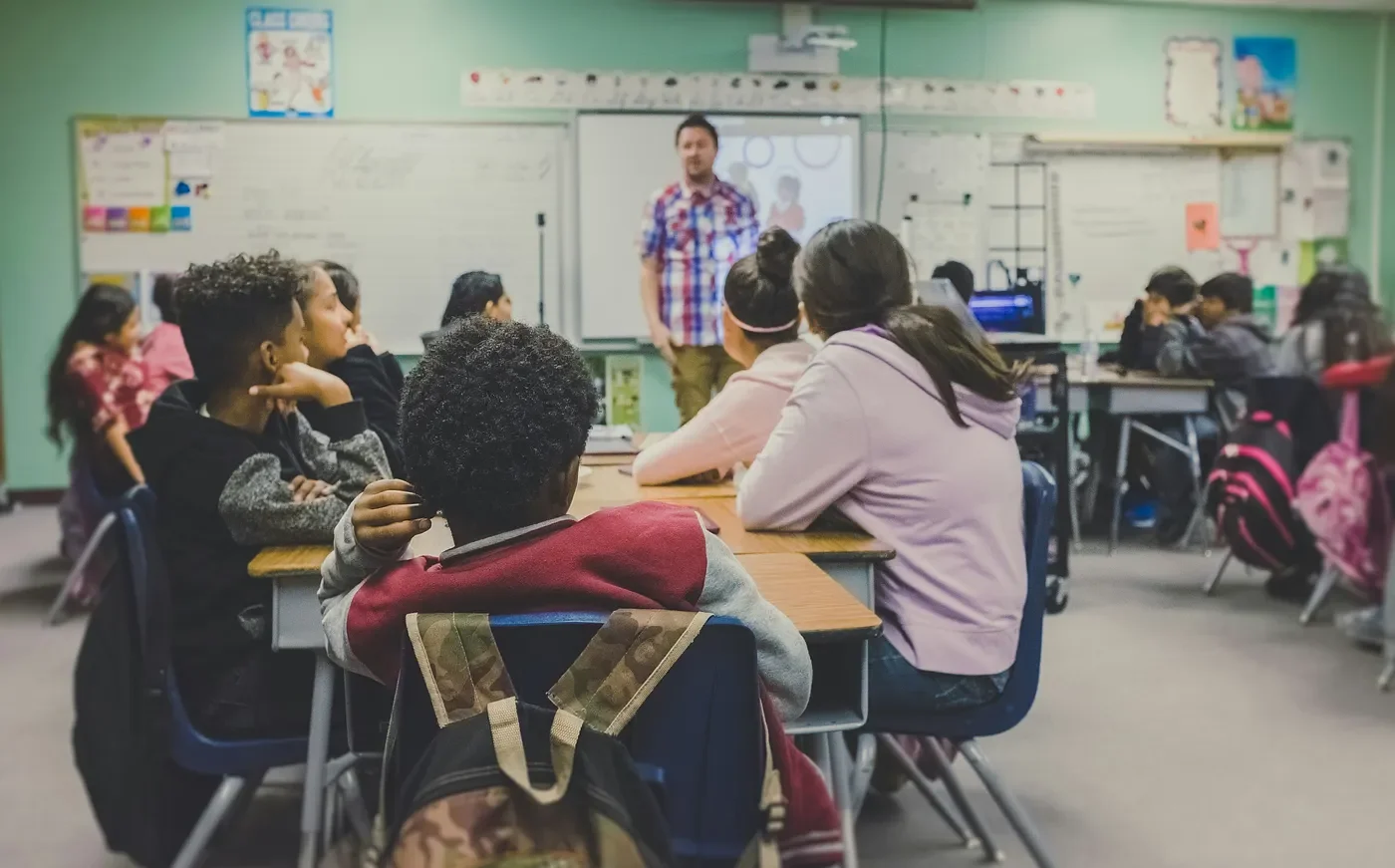
When education-related appropriations are delayed or reduced, communities feel the effects.
What still has to happen for FY26 funding to be “done”
To fully complete FY26 funding, Congress still needs to finish the appropriations process by doing one of the following:
pass the remaining bills one by one
bundle them into a larger package
pass another CR to extend temporary funding again
Then, the second phase of the process kicks off. The appropriations bills are sent to the President for signature. After the appropriations are enacted, the Office of Management and Budget (OMB) actually apportions funds. This controls how much and how quickly agencies may spend. Only then can agencies award grants.
Until the whole process is complete, programs may remain in a holding pattern.
The bottom line
When the federal budget process is delayed, it creates uncertainty and instability for agencies, communities, and nonprofits.
That uncertainty isn’t abstract. It can mean:
delayed funding decisions
reduced program capacity
increased demand for services
harder tradeoffs for communities already stretched thin
The takeaway is simple: when nonprofits are already functioning in a vulnerable funding landscape, obstructions to approving the federal budget first impact the people who can least afford disruption.
Sources:
Congressional Research Service. (n.d.). Appropriations status table: FY2026. Congress.gov.
Congressional Research Service. (n.d.). Continuing resolutions: Overview of components and practices. Congress.gov.
Congressional Research Service. (n.d.). The congressional budget process: An introduction. Congress.gov.
Congressional Research Service. (n.d.). Timing of appropriations actions and “on-time” completion (historical context for FY1997). Congress.gov.
Chicago School Leader. (n.d.). House Appropriations Committee education funding proposal / reductions (FY26 context).
Grantmakers for Children, Youth & Families (GCN). (n.d.). White House FY26 budget proposal and proposed eliminations affecting arts/humanities.
Office of Management and Budget. (n.d.). Budget of the U.S. Government, fiscal year 2026. GovInfo.gov.
U.S. Congress. (n.d.). H.R. 4 — Rescissions Act of 2025 (119th Cong.). Congress.gov. https://www.congress.gov
U.S. Government Accountability Office. (2022, November 3). What is a continuing resolution and how does it impact government operations? GAO WatchBlog. https://www.gao.gov