
Key Takeaways
National parks are essential public infrastructure. America's national parks protect natural and cultural assets while supporting recreation, education, scientific research, and local economies.
Parks face growing financial pressures. Rising visitation, staffing shortages, climate-related impacts, and a multibillion-dollar maintenance backlog are placing unprecedented strain on the National Park System.
Deferred maintenance affects visitors and communities alike. Aging roads, trails, visitor centers, campgrounds, and historic sites require sustained investment to remain safe, accessible, and resilient.
Healthy parks support healthy economies. National parks generate tourism, create jobs, support small businesses, and contribute billions of dollars to local and regional economies each year.
Nonprofit partners play a vital role. Conservation nonprofits help restore habitats, improve visitor experiences, fund research, preserve historic sites, and supplement limited public resources.
Investing in parks protects future generations. Supporting national parks today helps preserve America's landscapes, wildlife, history, and outdoor recreation opportunities for decades to come.
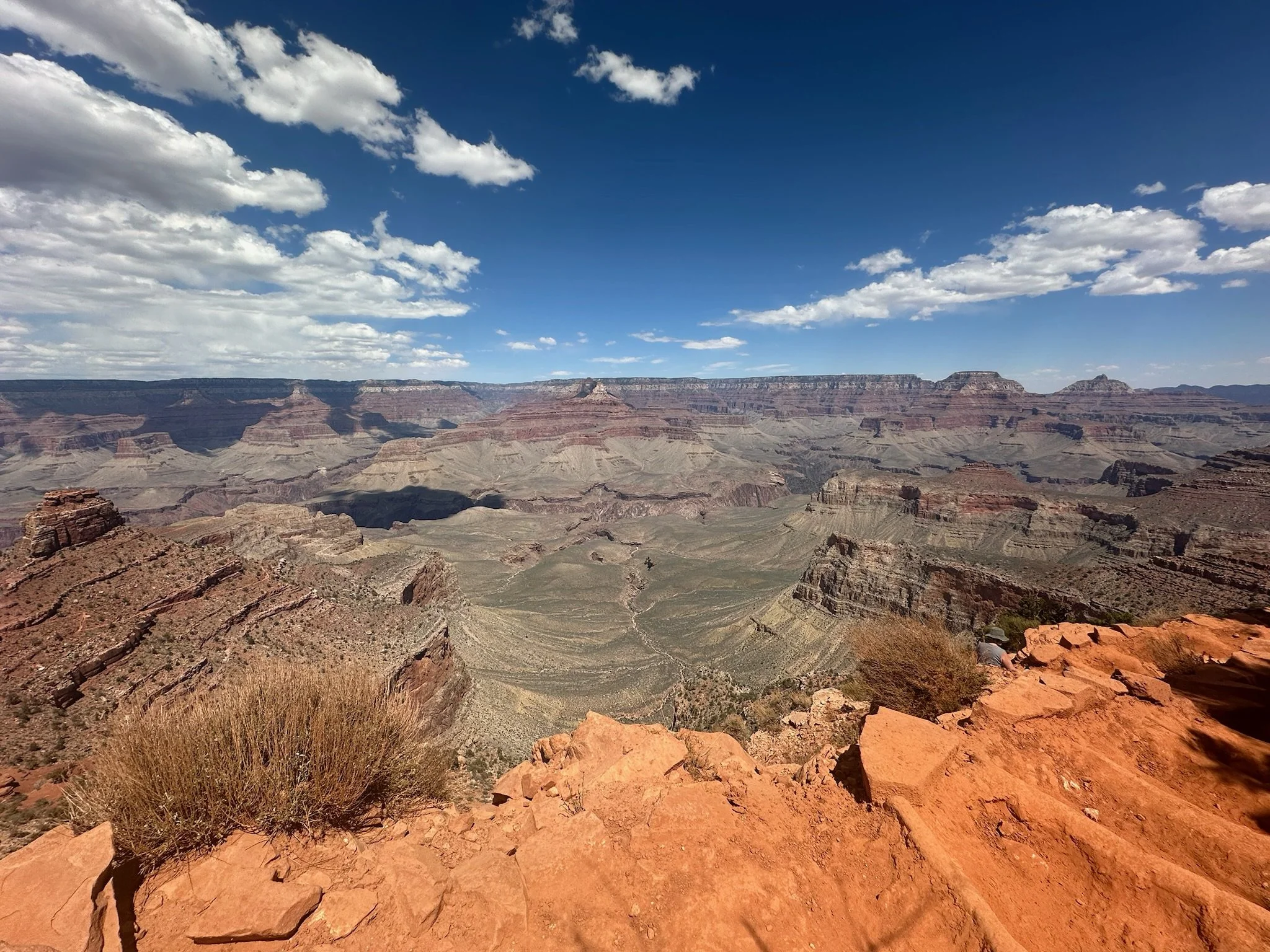
The Grand Canyon
National Parks in the U.S. have been called “America’s Best Idea”. The over 430 parks have been preserved not for capitalist motives or for elite access, but for every American to experience. These Parks have connected Americans to the land and to one another for over 100 years. But now there is strain on these spaces that is unlike anything we’ve seen before.
National Parks are facing a convergence of challenges, including staff cuts, rising visitation, climate impacts, and a massive maintenance backlog of over $23 billion. The bipartisan Great American Outdoors Act’s maintenance funding ended at the end of 2025, which makes this backlog even more significant. Despite the progress that was made, the cost of routine maintenance is simply too large when compared to what Congress is funding annually.
And that is compounded by federal budget cuts that threaten to make this crisis even bigger. The National Parks Conservation Association (NPCA) warns that reduced funding would further strain already limited staff and accelerate the deterioration of park resources.
National parks serve millions of people each year, support local economies, and preserve cultural and environmental heritage for future generations. When investment falls short, it’s not just the land that suffers; communities, education, and job opportunities are impacted.
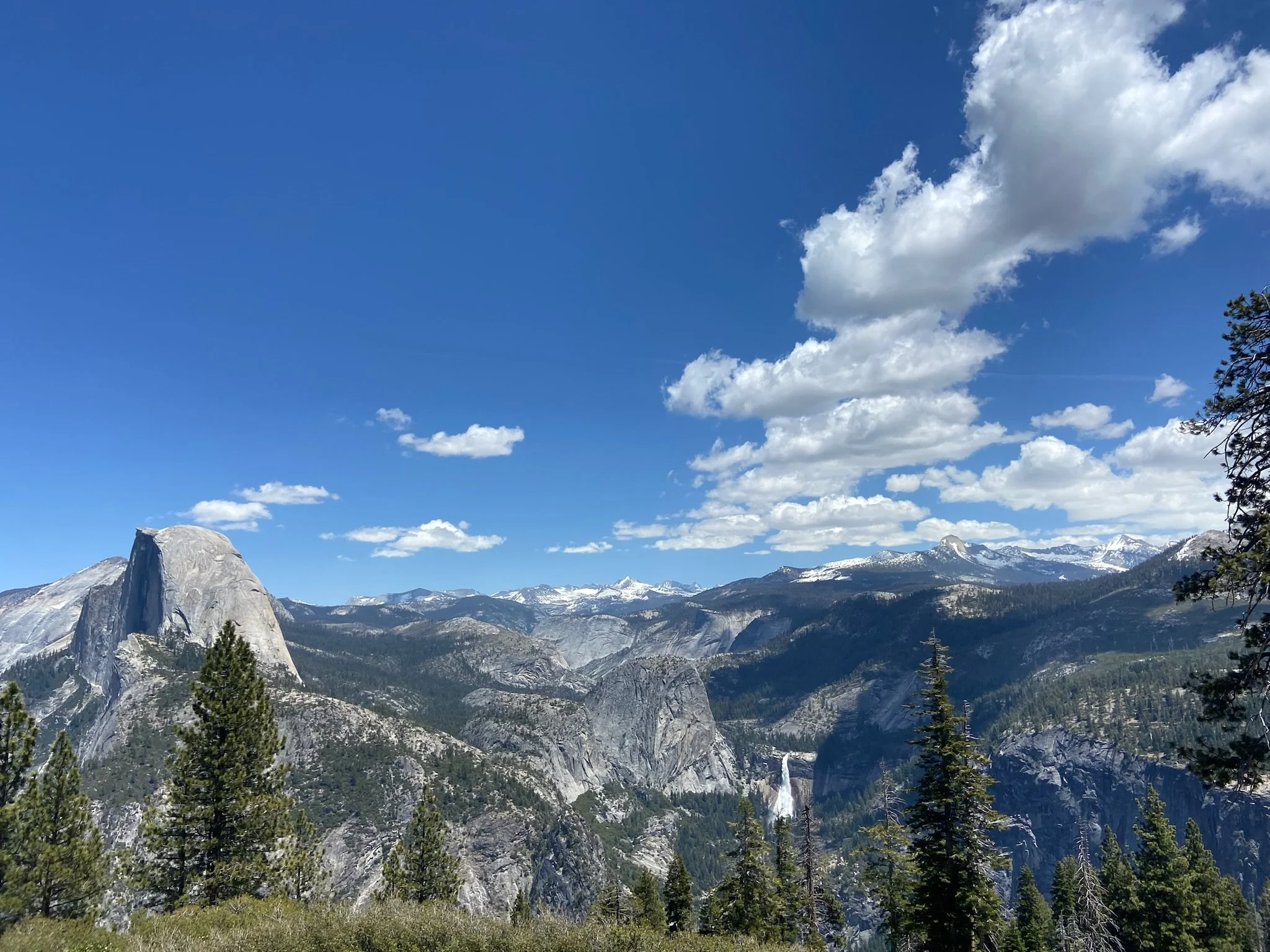
Yosemite National Park
Act Now
This moment is a turning point for these essential public lands. The challenges facing our National Parks reflect a broader issue seen across the nonprofit and public sectors: critical infrastructure and programs often go underfunded despite their clear value to society.
NPCA offers outlines for getting involved in the political process and urging your representatives to pass legislation that supports the parks, as well as their staff, transportation, and history.
Charity Bridge Fund also connects resources with impact, by bridging the gap between urgent needs and sustainable solutions. You can give to National Parks through our platform here.
Ensuring that our parks endure isn’t just an environmental issue, it’s a collective responsibility. And now is the time to be responsible.
Frequently Asked Questions
Why are national parks important?
National parks preserve some of America's most significant natural landscapes, historic sites, and cultural resources. They provide opportunities for recreation, education, scientific research, wildlife conservation, and outdoor experiences while serving millions of visitors every year.
What challenges are national parks facing today?
Many parks are experiencing growing visitation alongside staffing shortages, aging infrastructure, climate-related impacts, and a substantial maintenance backlog. These challenges make it more difficult to maintain trails, roads, campgrounds, visitor centers, and natural resources.
What is deferred maintenance?
Deferred maintenance refers to repairs and infrastructure improvements that have been postponed because of insufficient funding. This can include deteriorating roads, bridges, trails, water systems, historic buildings, campgrounds, and visitor facilities that require ongoing maintenance to remain safe and functional.
How do national parks benefit local economies?
National parks attract millions of visitors who spend money at nearby hotels, restaurants, shops, outfitters, and other local businesses. Tourism associated with parks supports jobs, generates tax revenue, and contributes significantly to many regional economies.
What role do nonprofit organizations play in supporting national parks?
Nonprofit partners help fund conservation projects, restore trails, preserve historic landmarks, support scientific research, protect wildlife habitats, provide educational programs, and mobilize volunteers. Their work complements public investment and helps parks accomplish projects that might otherwise be delayed.
Why is continued investment in parks important?
National parks require ongoing maintenance and stewardship to protect natural resources, ensure visitor safety, preserve historic sites, and maintain access for future generations. Consistent investment is generally more cost-effective than allowing infrastructure and natural resources to deteriorate over time.
How do national parks benefit communities beyond recreation?
In addition to outdoor recreation, parks support environmental education, scientific discovery, public health, cultural preservation, climate resilience, and economic development. They also provide important ecosystem services such as protecting watersheds, wildlife habitat, and biodiversity.
How can individuals support national parks?
People can help protect public lands by:
Donating to nonprofit organizations that support national parks.
Volunteering for trail maintenance, habitat restoration, or educational programs.
Practicing responsible recreation and Leave No Trace principles.
Supporting local gateway communities and conservation initiatives.
Advocating for sustainable investments in park infrastructure and conservation.
Why does Charity Bridge Fund support organizations working to protect public lands?
Organizations that protect national parks and public lands preserve places that benefit everyone. Their work safeguards natural resources, supports local economies, strengthens outdoor education, conserves wildlife, and ensures future generations can experience America's shared natural heritage. Supporting these nonprofits is an investment in environmental stewardship, community resilience, and the long-term health of our public lands.
Additional Resources
National Parks Conservation Association: Fund Our Parks. Fix Our Parks. Fight for Our Parks.
PR Newswire: Bipartisan Bill to Keep Fixing National Parks Arrives Not a Moment Too Soon
National Parks Service: Visitation Numbers