
Key Takeaways
Environmental funding has declined significantly over the past 18 months. Budget reductions, grant cancellations, and the rollback of previously approved funding have reduced support for conservation, climate resilience, clean air, clean water, and environmental justice initiatives.
Many projects were halted after they had already begun. Hundreds of environmental grants were canceled, disrupting active programs that were addressing pollution, flood prevention, community health, and climate preparedness.
Funding delays can be just as damaging as funding cuts. Although some environmental funding remains authorized on paper, legal disputes, administrative changes, and implementation delays have prevented many dollars from reaching nonprofit organizations and local communities.
Environmental justice efforts have been disproportionately affected. Programs designed to support communities facing the greatest environmental and public health risks have experienced some of the largest funding reductions.
Nonprofit organizations are carrying a growing burden. Environmental nonprofits continue to protect public lands, restore ecosystems, improve water quality, and strengthen climate resilience despite increasing financial uncertainty.
Investing in environmental nonprofits protects both people and nature. Supporting these organizations helps safeguard public health, strengthen community resilience, preserve natural resources, and reduce the long-term costs of environmental disasters.

As we celebrate Earth Day this year, we reflect on the funding landscape that has impacted environmental initiatives recently. At first glance, the sector may look mostly intact. But grant cancellations, Inflation Reduction Act (IRA) rollbacks, and program shutdowns, have effectively eliminated billions of dollars in environmental funding.
The Budget At Large
The proposed FY2026 budget included an approximately 50% cut to the EPA. In reality, this looked like a $320 million reduction from FY2025, reducing agency budgets and creating internal constraints. This has in turn put strain on the nonprofits that rely on these agencies as grantors.
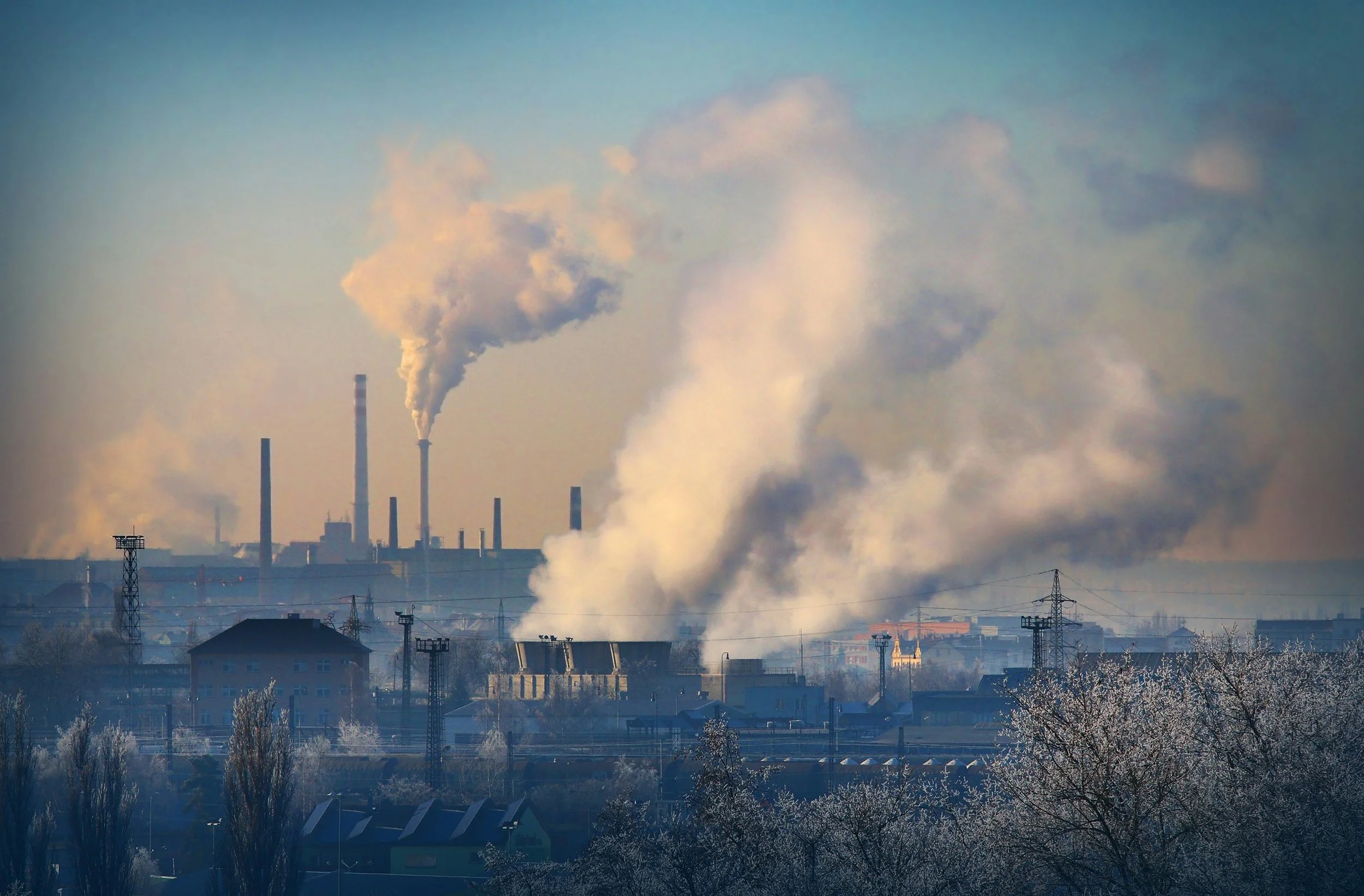
Cancelled Funding Impacting Health & Safety for Vulnerable Communities
Additionally, environmental justice funding was impacted by large-scale grant cancellations. Over 400 grants were cancelled, amounting to over $1.7 billion. These programs were designed to reduce pollution in vulnerable communities, improve air and water quality, and prepare for climate impacts like flooding and extreme heat.
Community air monitoring, local flood prevention, and health-focused environmental programs were cancelled. These were active projects that had already begun and were shut down. These weren’t theoretical reductions. They impacted real people.
Rolling Back Previously Approved Spending
At the same time, a significant portion of climate funding that had already been approved, has been partially unwound. The bulk of this funding was approved through the Inflation Reduction Act (IRA).
Roughly 40% of some EPA-managed climate grants have been terminated, with others delayed or tied up in legal disputes. While the money had technically been appropriated, it has not actually reached the ground. Funding looks like it exists on paper, but it is not reaching the communities in need. The real-world impact has been sharply reduced.
The Dismantling of Infrastructure
Another profound shift has indirectly impacted funding, through changes to institutional capacity. Over the past year, the EPA’s Office of Environmental Justice has effectively been shut down. This has led to key insights and tools used to identify vulnerable communities being removed, and staff resignations and reductions.
This is another disruption in how funds flow to nonprofits. The systems designed to ensure it reaches the most affected communities have been weakened or eliminated. Implementation has changed dramatically.
The Bottom Line
Environmental funding in the U.S. has been selectively withdrawn, redirected, and slowed. Congress made cuts to the budget, agencies carried out large-scale cancellations, key programs were dismantled, and previously approved funding was rolled back. The result is a system that still exists in theory, but is doing far less in practice.
Now is the moment to lean in and understand the strains on the environmental sector and how you can support nonprofits working on the ground to support essential programs.
Frequently Asked Questions
What has happened to federal environmental funding?
Environmental funding has been affected by budget reductions, grant cancellations, delayed implementation of previously approved funding, and changes to federal environmental programs. Together, these actions have reduced financial support for many nonprofit organizations and community-based environmental initiatives.
What types of environmental programs have been affected?
Funding reductions have impacted a wide range of programs, including environmental justice initiatives, clean air and water projects, flood mitigation, climate resilience efforts, habitat restoration, community air monitoring, pollution reduction, conservation projects, and public health initiatives related to environmental conditions.
What is environmental justice?
Environmental justice seeks to ensure that all communities have equal access to clean air, safe drinking water, healthy neighborhoods, and meaningful participation in environmental decision-making.
Why do funding delays matter if money has already been approved?
Many nonprofit organizations rely on timely grant payments to hire staff, purchase equipment, and carry out projects. When funding is delayed or tied up in legal or administrative processes, organizations may have to postpone projects, reduce services, or cancel work that communities were expecting.
How do environmental nonprofits benefit local communities?
Environmental nonprofits help improve water quality, restore habitats, reduce pollution, expand access to parks and open spaces, protect wildlife, prepare communities for extreme weather, educate the public, and strengthen local resilience to climate-related risks.
Why do environmental funding cuts affect public health?
Environmental quality and public health are closely connected. Programs that reduce pollution, improve drinking water, monitor air quality, and strengthen climate resilience help prevent respiratory illness, heat-related health risks, flooding, and other environmental hazards that directly affect people's health.
How do environmental funding reductions affect rural and underserved communities?
Many rural and historically underserved communities depend on federal and nonprofit partnerships to improve infrastructure, manage natural resources, reduce pollution, and prepare for climate-related disasters. Funding reductions can slow or halt projects that protect both community health and local economies.
Can nonprofit organizations replace lost federal funding?
While philanthropy and private donations can help, they generally cannot fully replace the scale and consistency of federal investments. Many nonprofit organizations must prioritize essential projects, delay expansion, or seek new funding partnerships when federal support declines.
Why should people care about environmental funding?
Investments in environmental protection help reduce disaster recovery costs, improve public health, preserve natural resources, support outdoor recreation, strengthen local economies, and create healthier communities for future generations. Prevention is often far less expensive than responding to environmental damage after it occurs.
How can individuals support environmental nonprofits?
People can help strengthen environmental organizations by:
Donating to local and national environmental nonprofits.
Volunteering for conservation and restoration projects.
Supporting organizations that protect parks, public lands, and waterways.
Advocating for sustainable investments in environmental programs.
Raising awareness about the connection between environmental protection, public health, and community resilience.
Why does Charity Bridge Fund consider environmental nonprofits essential?
Environmental nonprofits protect the natural systems that communities depend on every day. Their work helps keep air and water clean, preserves public lands, reduces disaster risks, improves public health, and strengthens resilience in the face of climate and environmental challenges. Supporting these organizations is an investment in healthier communities, stronger local economies, and a more sustainable future.
Additional Resources
House Appropriations: Advancing American Strength: President Trump Signs H.R. 6938 Into Law
United States Environmental Protection Agency: EPA Administrator Lee Zeldin Cancels 400+ Grants in 4th Round of Cuts with DOGE, Saving Americans More than $1.7B
The Georgetown Environmental Law Review: EPA Funding Cancellation Continues: 400 Grants Cancelled
The Guardian: First-of-a-kind US class-action lawsuit would force EPA to reinstate $3bn climate program
Robinson+Cole: Cuts, Closures, and Confusion: A Quick Update on U.S. EPA
United States Environmental Protection Agency: EPA Budget in Brief
New York Times: Trump’s E.P.A. Has Put a Value on Human Life: Zero Dollars
Aspen Times: U.S. Forest Service reorganization prompts concerns of further employee loss, impacts ahead of fire season